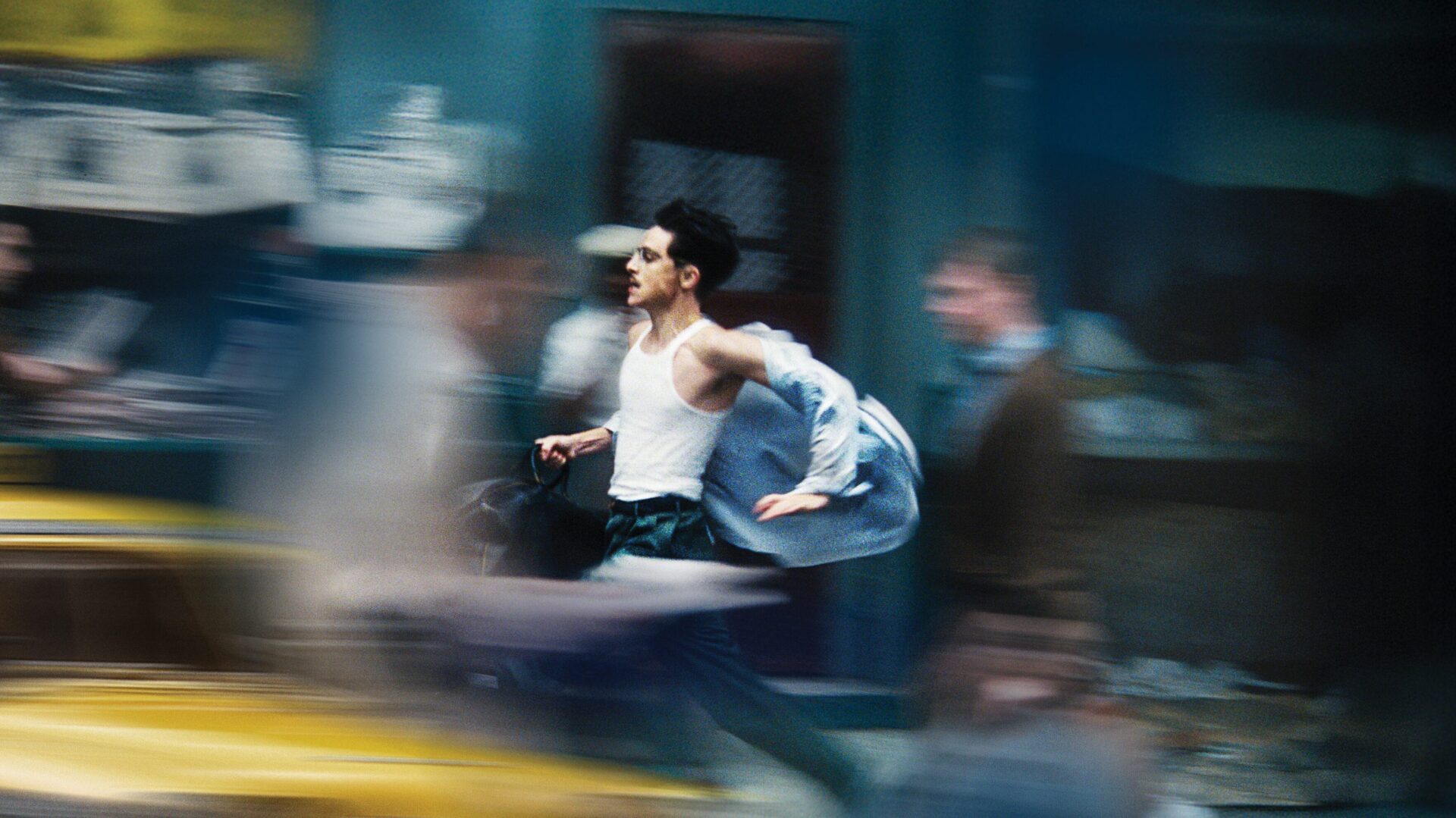
The New Year is a season where it’s acceptable to simultaneously be looking forward with hope and dreams for the year ahead and look backwards at the year, or years, gone with a bit of nostalgia. Earlier in the week, I was looking back through my blog archives and rereading a few of my old film reviews. And, today, I thought, “let’s write a review of the film I just saw: Marty Supreme. The problem is, I have quite mixed feelings about it.
Marty Supreme Review
I get a bit of a block when writing about films this complex. Marty Supreme is a fascinating, stylish look at the world of competitive ping-pong. Who knew we cared about that in 2026? But by the time the credits rolled, I felt as exhausted as a player in a five-set match.
See what I did there?
When the movie starts, you really want to see Marty succeed in his dreams of being a world champion table tennis player. It’s not an unrealistic ambition; he has the talent and is playing in the right contests. Unfortunately, he has no backers and no money of his own. Competing for him is a challenge, not of talent, but of resources.
As the story progresses, however, any sympathy I had for his predicament starts to evaporate. Marty doesn’t just have a “win-at-all-costs” attitude; he becomes genuinely dislikable. The story turns from an underdog tale to that of a man who is his own worst enemy. He treats the people around him like tools to further his dreams rather than as humans, and I found myself less interested in whether he won the game and more annoyed by how he treated others. Which, in itself, is a bit of a feat as none of the others are likeable either.
The biggest hurdle for me was the ending. After two hours of Marty being a selfish narcissist, we are expected to believe he’s changed because of a choice he makes. But was it really a choice? Marty’s apparent growth feels forced by circumstance. If he hadn’t been kicked out of the tournament in Japan, would he have ever gone to that hospital? Probably not. It feels less like a man finding his true self and more like a man who ran out of other options.
The film is also filled with characters who feel as if they belong in a different movie, or at least, not in this one. The dog-owning gangster and his dog, Moses, felt particularly unnecessary. I am not sure how much the story needed their presence; the same impact could have come from other, underused, characters. Characters pop in and vanish without a trace. Maybe that’s the intention, but it feels disconcerting. Oh, and what’s the orange ping-pong ball bit meant to convey?
I generally enjoyed the film, but the length became an issue for me. Because there were no likeable characters to root for, the latter half of the movie started to drag. When you don’t care if the lead character wins or loses, you start to feel every minute of the runtime. I wonder if it would have been a better experience to have had a little bit less of it.
That said, the performances are superb; Chalamet conveys Marty’s ambition brilliantly. Gwyneth Paltrow’s portrayal of a trophy wife in a marriage she hates is similarly wonderful, but it doesn’t mean I’m rooting for her.
See it for the style and the performances, but make sure you have a comfy seat and don’t expect to fall in love with the hero.