Yearnotes 2025: reflections and revisiting

Personal year review: travel, music, writing

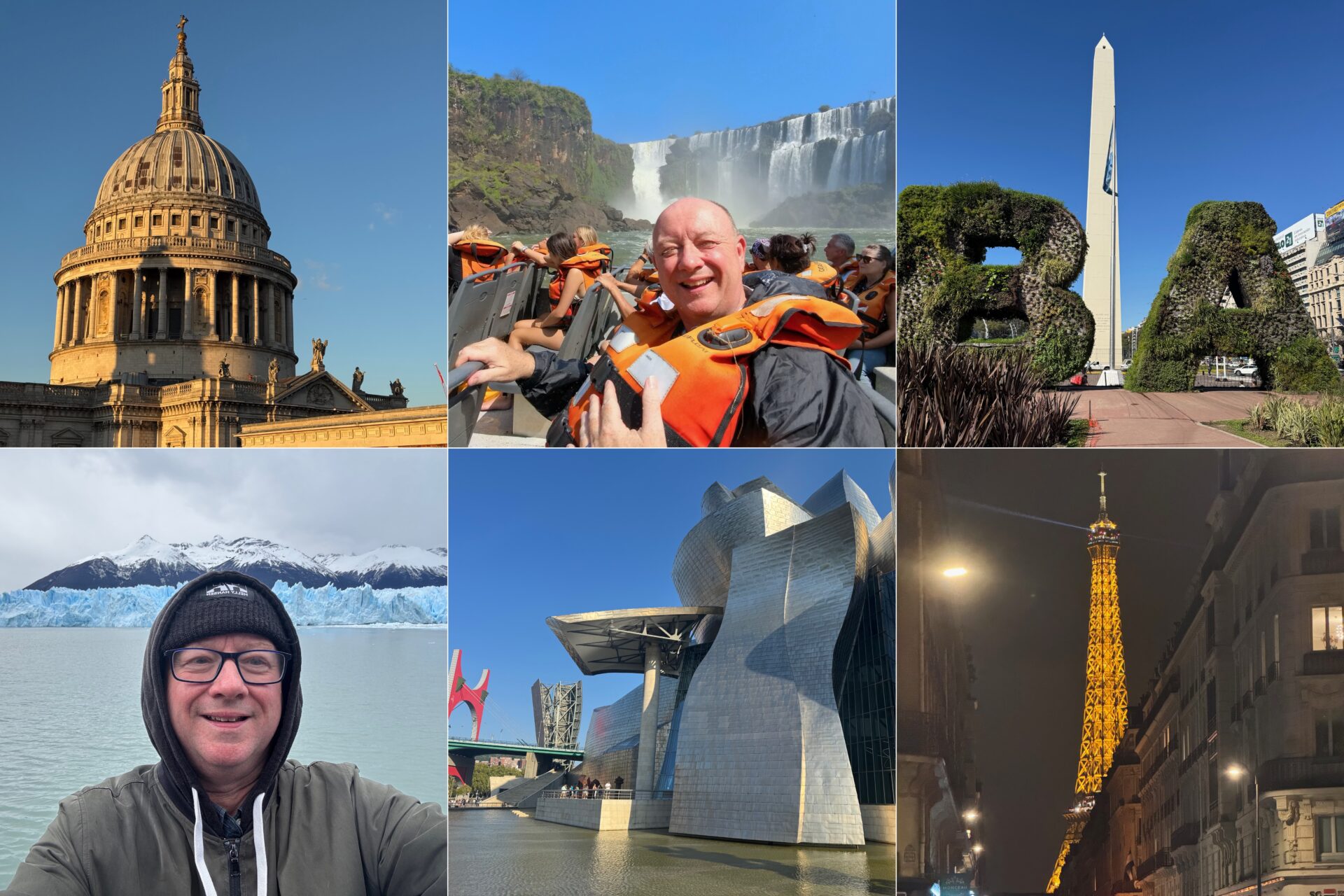
A six-image collage from 2025 showing travel moments across Europe and South America: St Paul’s Cathedral in London at golden hour; a smiling man in a life jacket on a speedboat near Iguazú Falls; the Buenos Aires Obelisk framed by large green letters; a bundled-up selfie in front of a glacier in Argentina; the Guggenheim Museum Bilbao beside the river under a clear blue sky; and the Eiffel Tower glowing at night in Paris.
Snapshots from Paris, Spain and Argentina, 2025

Where do I begin when looking back at 2025? I try to summarise the year as a way of celebrating the good stuff. Daily or weekly writing is often weighed down by the minutiae of life; summarising a longer period can pick out themes or big moments.

My Instagram feed has often been a good summary of the year. At the end of December, I briefly talked about my Instagram Top Nine for 2025, but this time around, I don’t think the feed is representative of the year as it has been in the past. Maybe the Stories highlights are better, but the thirty stories are only a little improvement.

So, in the main, I am sticking to the same format as last year because I have not yet found a more inventive way to present it.

Moving

I have to face reality. I have lost a lot of motivation to exercise, and as I’m ageing, that is bad. My step count was down 11% from last year (and 15% from the year before), and I moved 1,225.5 miles (256,482 kcal). I am trying to do better in 2026. I want all those numbers to be up in next year’s report.

Places

Yes, I am the person still checking in on Swarm. The year in review isn’t great. But I did get to Paris, Spain (and the Guggenheim Museum), and Argentina, where I had one of the best meals ever at Fogón Asado.

2025 in music

This year, I discovered that Apple Music does not count music played via its Sonos integration. That’s a lot of music Apple’s not reporting on, nor featuring in my recommendations. Somebody should tell Tim Apple that you can’t have a music service making recommendations based on historic listening without knowing everything I listened to from that service. He probably doesn’t care. I guess ‘Money, Money, Money’ is top on his recommendations.

While I suspect it’s the classification of country as my most listened-to genre is right, 15,464 minutes and 1,304 songs are likely off the mark. And marking the Starlight Express album as my favourite because it’s long, and I listened to it before we watched the show again in November, is just off.

So, to Last.fm, we go. 5,287 tracks recorded; the most listened-to artist is Johnny Mathis; the most listened-to album is Breland’s Cross Country. I’m so disappointed I was too ill to see him in concert earlier this year. Apparently, Ella Langley’s Weren’t For The Wind is my top track. That’s algorithmic playlists for you: I can’t hum that tune, but I’ll put it on as I write and confirm at the end if I recognise it.

All the socials

I’ve already mentioned Instagram, and what I said last year for other networks:

I (still) have a Mastodon account, but I have yet to pontificate there. Ditto Bluesky, although I keep promising myself I’ll move to a custom domain.

There are now over 100 feeds in my NetNewsWire reader, but many of them remain silent. London Centric and The London Minute are still very much on my reading list, as are Diamond Geezer, It Just Gets Stranger, and Daring Fireball, and I regularly read them. I added a bunch of radio-related feeds this year. And I read about the lives of people I don’t know via their weeknotes.

Books, TV and Cinema

I failed my reading challenge: on 12 of 15 books read. At least it’s the equivalent of one a month. I’ve dedicated a whole post to that this year.

There’s always so much good telly that I don’t know which shows to call out. We started the year watching The White Lotus, which was recommended, but it didn’t quite work for me, and we never progressed to the second season.

A conspiracy thriller with a mathematician as the central character might not sound gripping, but I liked Prime Target, and similarly, Slow Horses and Down Cemetery Road both had me hooked. The new Bergerac was, perhaps, not as gripping as those other shows, but we stuck with it. The Åre Murders was a crime in another language, which I thought was great. I started rewatching The Blacklist at the start of the year, but after a couple of binge evenings, I seem to have lost interest again.

I always think I don’t watch much reality television, but watching Race Across the World, plus the celebrity version, and The Celebrity Traitors, suggests otherwise.

I should note The Residence, Murderbot, and The War Between the Land and the Sea, so I can remind myself to look out for follow-ups, as I enjoyed them all.

I went to the cinema three times in 2025. Queer was hard work, especially on New Year’s Day. Bridget Jones: Mad About The Boy was quite fun, and The Phoenician Scheme was a wonderful Wes Anderson movie.

I watched The Salt Path and The Amateur on a plane, Conclave, Wonka, The Accountant 2 and A Very Jonas Christmas Movie from my sofa. The last two were far-fetched, but fun for Christmas, and I do recommend the other two.

Gigs and shows

We started the year in Birmingham watching The City of Birmingham Symphony Orchestra – CBSO Explores: Friends in Love and War, and then a complete contrast with a big, glossy Palladium panto with Julian Clary and Jane McDonald, which, as always, was an absolutely brilliant spectacle.

I never thought I’d like watching dance, but a contemporary dance piece at Sadler’s Wells East, Birdboy, proved that thought wrong.

We supported a couple of new musicals, The Rise and Fall of Vinnie and Paul and Stiletto, and very glad we did. But also big theatre musical moments with laughter at Titanique, memories at Just For One Day: The Live Aid Musical, a return to ever-energetic Starlight Express and Jamie Lloyd’s marvellous Evita revival. I am not sure why October was such a theatre fest, but that got its own post.

The Isle of Wight festival was again packed with great music, and Patti LuPone, The Hidden Cameras, Suzanne Vega, Toyah and Adam Ant, among others. The Crazy Coqs had a great year with nights themed around Céline Dion and Genesis & Phil Collins, as well as a James Bond night and a Christmas night.

Audio

I spent most of my 2025 podcast time with the Game Changers Radio trio. Radio-related, Happy Place with Greg James and Fearne Cotton was also good. The Shipping Forecast: A Beginner’s Guide was a lovely listen, and that might also be about ‘radio’.

Ed Miliband: Why Blair & Farage Are Wrong About Net Zero is a video podcast, so it’s living here and recommended. Also in politics, LBC presenter Iain Dale talked to former Scottish First Minister Nicola Sturgeon about her new book, and Mishal Husain talked to Mark Carney about the world.

Great to hear from Russell Tovey on Dinner’s On Me.

I keep trying to make dietary changes. As a result, I listen to quite a bit of the Zoe science and nutrition podcast, but I think I am still eating the wrong things.

Other writing

In 2025, I published fifteen blog-like pieces on my site, from the frictions of everyday life to open skies and festival fields. I started asking what we hold on to and why in Usable, but only just, struggling with my ageing AirPods. Modern life was the subject of my second post last year, the fatigue of headlines in All the news. Back to tech writing with High bar for tech, where I talked about how the Meta Portal is both a device and a memory frame, and, even though it’s by Meta, I really wish they still made it.

Summer arrived, I planned for the festival and wrote a run of pieces from the fields in Festival Diaries 2025: Day One, Day Two and Day Three, before shifting to a different kind of spectacle in Grease Immersive Cinema Experience, where film, performance and some Olivia Newton-John nostalgia collided.

Travel shaped the next phase of the year in Buenos Aires: Four Days, Four Stories and Four Days Between Sky and Water, both describing my South American adventure, while questions of self surfaced back home in A New Identity and Counting from the start.

As we headed through autumn and into winter, theatre and seasonality came into view in Curtains up on October, followed by a moment to take a whistle-stop trip north to reflect on sounds from my teenage years in Piccadilly Magic and, finally, a photographic review of the year in Top Nine 2025 that I’ve already mentioned.

I am not sure what, when taken together, these tell you. But I always enjoy writing them. Because some of these pieces can get lost amongst the weeknotes, I have started a new archive page just for my more recent words.

Other counts

Let’s look at what else I’ve counted. I did 355 TfL London transport journeys, 42 of them on buses. That’s down on trips from last year, but more buses. JetLovers, once again, counted my flights. There were 9 (7 of which related to my Argentine holiday). I kept my AWS fees under £5 in 2025, but over £140 was spent on postage. And, last year, I woke 2% of the time in Shrewsbury.

Previously

Oh, and if you’ve read all these words, yes, I recognised the song.

All my previous attempts at summarising my year are grouped under the yearnotes tag.
Weeknotes #161: Concorde, curling, and crypts

Morning walks, culture, books, parties, theatre, and perspective.

Week commencing Monday, 16 February 2026

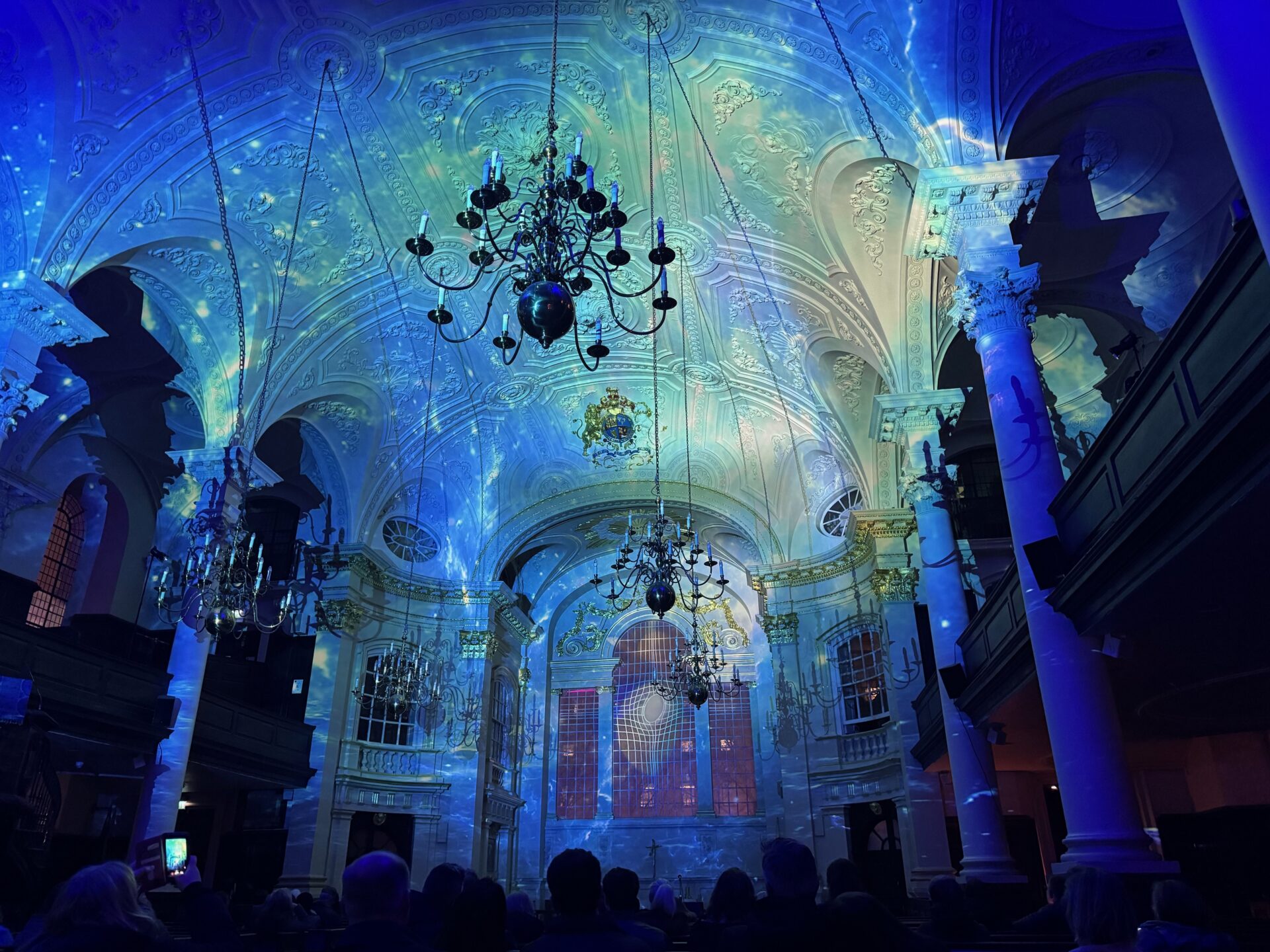
Interior of St Martin-in-the-Fields church filled with blue, green, and violet light projections during the Luxmuralis “Space” light and sound show, highlighting the ornate vaulted ceiling, chandeliers, classical columns, and a seated audience below.
Cosmic light washes over St Martin-in-the-Fields.

Quantified Self

  • This week: Stand 7/7; Exercise 7/7 and Move 7/7. (100%). Morning walks: 3/4. Office days 1/5. Total steps: 81,336. 15.8 hours in meetings.

Life

  • Oh, look, back to the morning walks. How long will I last? It really is better to be outdoors first thing.
  • As a long-time fan of radio, I’ve wondered how we’ve got to a point, almost 30 years after DAB’s introduction, where FM is still a thing. The government is consulting again. Reddit is, of course, saying, ‘but what about in an emergency’, which is really a rather bogus argument, as James Cridland once pointed out.
  • Relatedly, on that same Reddit thread, somebody talked about building a crystal radio: “There’s probably something to be said for having a communication medium that you can receive on bits of household scrap.” And that tells me that we all live in a bubble where our own experiences are deemed the norm.
  • I finished a book. It was Jonathan Glancey’s Concorde, The Rise and Fall of the Supersonic Airliner. I started this in lockdown, so it’s been five years of reading. I faltered in the early stages because it was quite technical in its history of supersonic flight, but I found it easier once Concorde arrived. It ends with the author’s downbeat take on the bland planes in our skies today and a lament that, in the UK, the infrastructure that helped create Concorde is no more.
  • Thursday, to St Martin-in-the-Fields for Space by Luxmuralis, a light and sound show. It begins outside the church before moving into the Crypt, and then up into the main body of the church for a fifteen-minute piece set to music that traces the creation story, the Big Bang, and ends with an image of Earth seen from space beneath a galaxy of stars. I enjoyed it. We sat through the light show twice.
  • To L’s postponed Christmas party on Saturday night. Great to catch up with people we only see once a year, and the curling was on in the background — it turned out that quite a few of us had been following it. Team GB’s men had made it to the final, though it wasn’t to be gold for them.
  • Best not to check about the crazy man at the bus stop on the way home. Quite relieved there was security on the bus.
  • To the Theatre Royal Drury Lane for To Maury With Love, a one-off celebration of the composer Maury Yeston’s eightieth birthday. There was a full orchestra on stage, and the music, however unfamiliar, was lovely.
  • Yeston wrote a Phantom musical based on the same source material that Lloyd Webber adapted. The interesting backstory is that Lloyd Webber’s version became a phenomenon in part because the novel was already in the public domain in Britain in 1986 but not yet in the United States, where the rights holder had originally approached Yeston to work on it. Yeston has called his Phantom “the greatest hit never to be produced on Broadway”. I guess you have to have an ego.

Media

  • My YouTube week: I watched the final DownieLive episode of the train journey from Europe to Asia, which sent me off to watch the stunning luxury train journey in Vietnam and the impressive ways you can use a Swiss rail pass. The lot is going on my bucket list.
  • More Olympics: the Women’s Freeski Big Air final from the Milano Cortina 2026 Olympic Winter Games at the Livigno Snow Park. The commentators’ enthusiasm helped make it a fantastic watch.
  • Really enjoying Small Prophets, Mackenzie Crook’s BBC Two series about a man who turns to alchemy and homunculi in search of answers after his girlfriend disappears.

Reading Challenge 2025

A reflective review of the books I read in 2025.

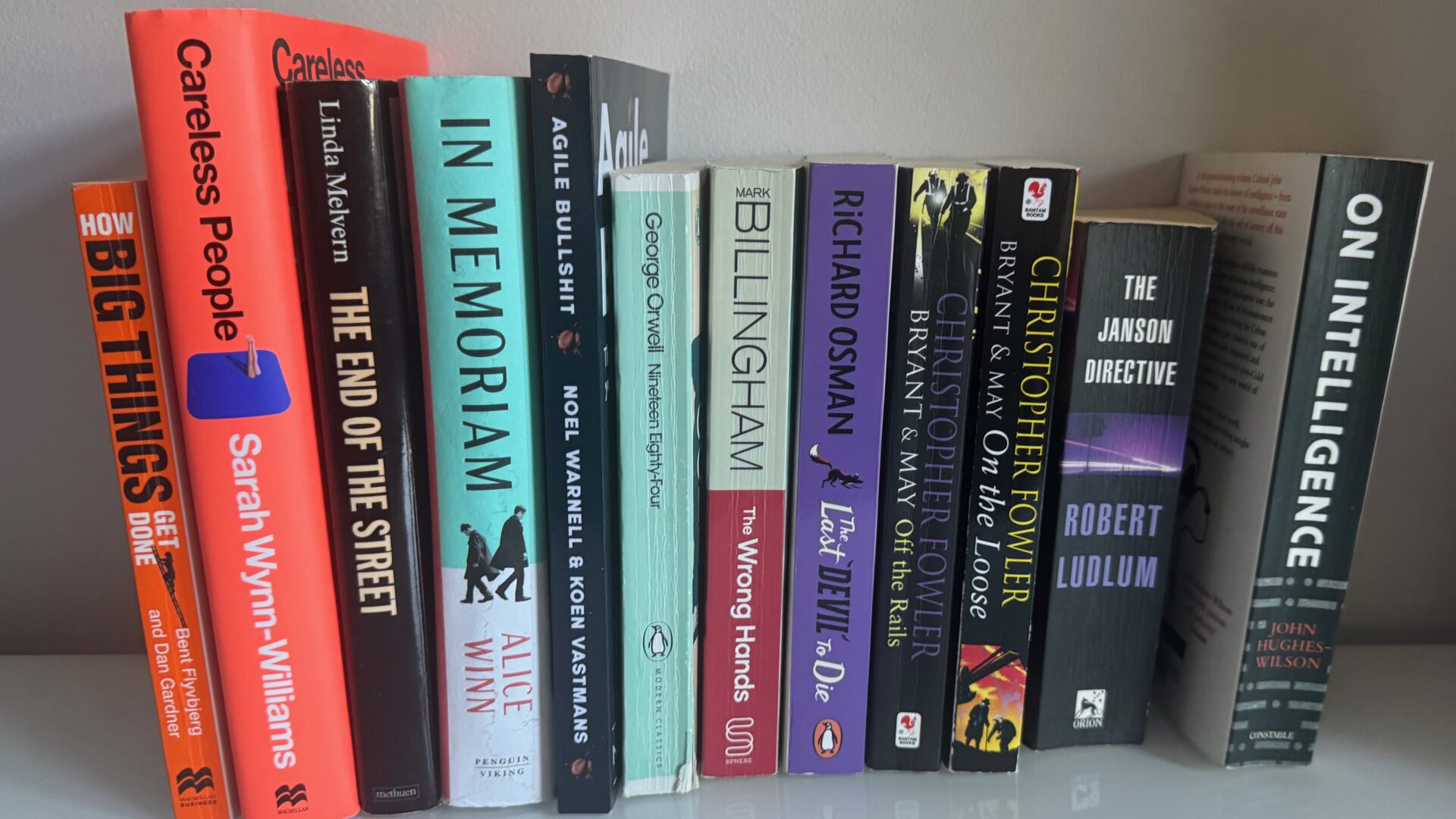
Row of thriller and spy novels on a bookshelf including titles by Sarah Vaughan-Williams, Linda Meiklem, Alice Winn, Noel Warrell, George Orwell, Mark Billingham, Richard Osman, Christopher Fowler, and Robert Ludlum, displaying varied spine colours from orange to black,
Thriller collection: where plot twists live in rainbow order.

Last week, I finally got around to photographing the books I read last year. They can go to a charity at the weekend. I know I am unlikely to re-read them. I failed my reading challenge: on 12 of 15 books read. At least it’s the equivalent of one a month.

As always, there’s a mix of books that I think are interesting and detective stories, which are a guilty pleasure and, when on holiday, I can read in a day or two.

I started the year reading Bent Flyvbjerg’s How Big Things Get Done. Does it contain the secret to delivering large-scale projects on time and on budget? Maybe. Get your team right and plan to the tiniest degree. Don’t be the Sydney Opera House, be Frank Gehry. I read it because we have a large-scale project coming up at work; not sure how much I actually took away.

I spent a few years working at Facebook and was interested in Sarah Wynn-Williams’ Careless People: A Story of Where I Used to Work, as she was at the company when I was, working at very different layers of the business. I wondered how much of the company she writes about I’d recognise. I think what’s most scary about this book is that, for most of the people I worked with and me, we wouldn’t recognise this from our experiences, yet it rang weirdly true. The villain is very one-sided in this story.

The villain in the next book is a bit less clear, although at the time, the world would have pointed to Rupert Murdoch. The End of the Street by Linda Melvern might have been my favourite book that I read last year. It’s the tale of how the Fleet Street unions were defeated and how the newspaper industry changed forever. There was passion for the newspaper business from both sides. News Corp. felt it couldn’t change the business incrementally, so it adopted an extreme modernisation approach. Perhaps newspapers survived a little longer because of it, perhaps not. Given where the newspaper industry is today, it feels like a historical story. But the innovator’s dilemma is real. Whether this was the right approach remains unclear.

In Memoriam by Alice Winn is a very well-regarded novel, but this was my second attempt to read it. I am glad I stuck with it. Gaunt and Ellwood, at a public school and in the trenches. All their friends are dying all around them. Eventually, I was hooked. I really enjoyed this even though it’s not the kind of novel I’d usually read.

Another book I tried to read before is Orwell’s Nineteen Eighty-Four. And I nearly gave up this time, too, but somewhere along the line, I got hooked. Is the Ministry of Truth even more real today than it was when it was imagined?

Warnell & Vastmans’ Agile Bullshit was another book I read because of work. Agile ways of working are a nice theory, and I’ve seen them successfully implemented in practice, but when the process generates more discussion than the outcome, then something is wrong. I thought this book would back up some of my thinking. It didn’t. And I still think the word ‘ceremonies’ to mean meetings is one of the most pompous things about agile.

The next four books are all detective-based and a cracking good read. Mark Billingham’s The Wrong Hands is the second of his books that I read. An easy read, with a decent plot, if you don’t mind severed hands in a briefcase. Next, it’s back to The Thursday Murder Club in The Last Devil to Die. This time, the case leads the team into the antiques business, which practically screams ‘cosy murder mystery’, and this gives you exactly that, with Richard Osman’s brilliant, engaging style.

I believe one of my great discoveries of the past few years is Christopher Fowler’s Bryant & May series. They always seem to be on the verge of the Peculiar Crimes Unit being closed. In Off the Rails, they have a week to find a killer, with the twist that they’ve caught this killer before. In On the Loose, the unit is closed, yet the case must be solved. I love this series and wholeheartedly recommend it to anyone. The intricate London details are phenomenally woven into all the stories without seeming out of place.

As a fan of Robert Ludlum’s Bourne series, I found The Janson Directive at the back of the shelf featuring a new character. Paul Janson, a former undercover agent for a deniable government agency known as Consular Operations, is asked to do one last job: rescue the billionaire Peter Novak. Today, we know just how bad the world’s billionaire class can be, and their views on reshaping the world are best ignored. I don’t think it was written as a manual for bored rich people to do bad in the world, but 13 years after its writing, bits of it are strangely contemporary. Also, another cracking good action adventure.

I ended the year by completing On Intelligence: The History of Espionage and the Secret World, which somehow got recommended after Nineteen Eighty-Four. There’s a lot in this book, and it offers fascinating insights into how intelligence works, with real examples from throughout history. If you want to know how intelligence (on both sides) ensured a successful D-Day landing, then that’s in one of the chapters. It’s an accessible telling of the espionage world, but as with all things secretive, you can’t help but wonder what’s not being told.

Weeknotes #160: almost perfect weeknotes

Curious coding, cultural moments, and quietly celebratory evenings.

Week commencing Monday, 9 February 2026

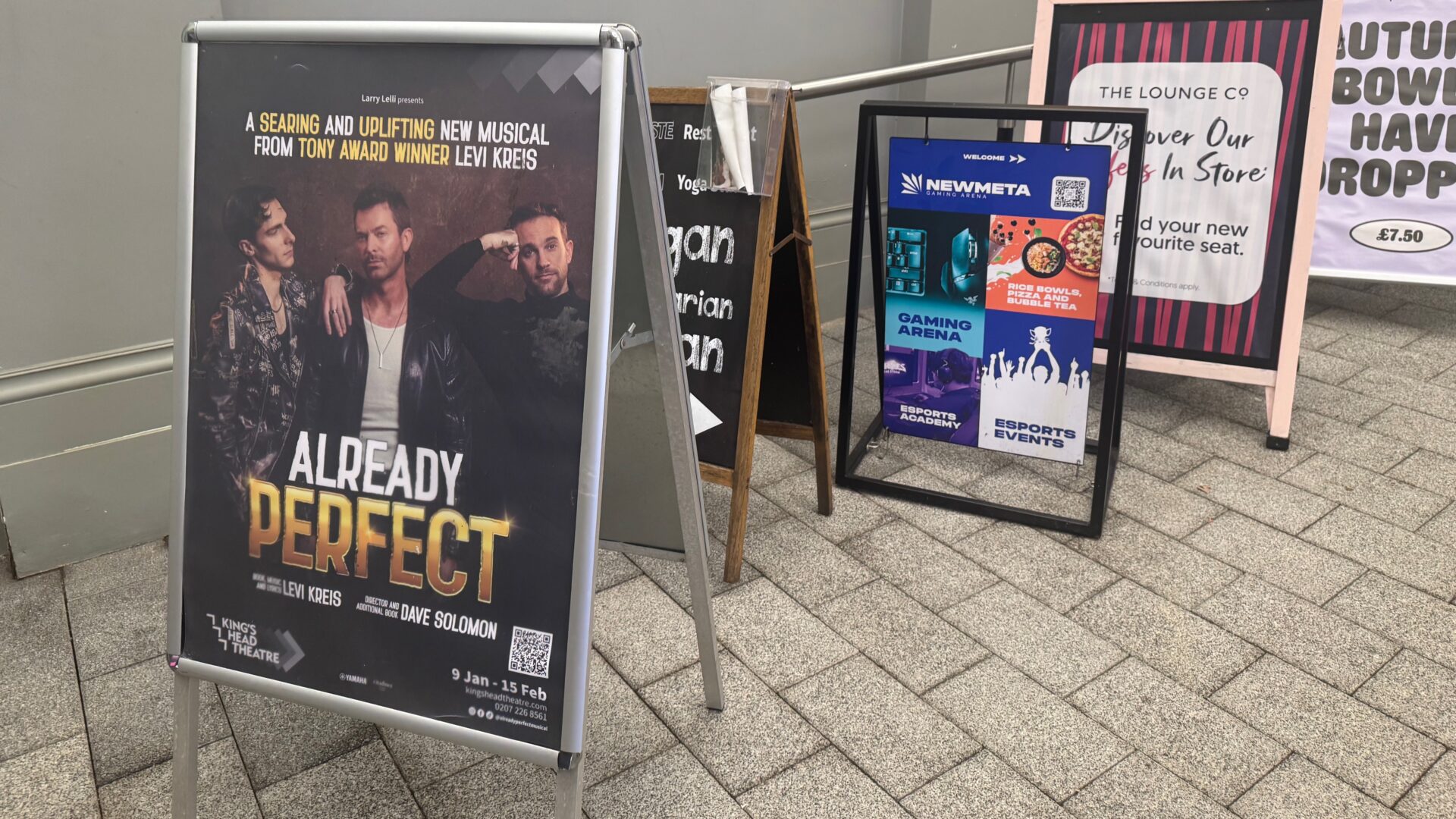
Promotional A-board sign for the musical 'Already Perfect' showing three male performers, positioned on a tiled floor alongside other advertising boards for a restaurant, gaming arena and bowling venue.
Theatre meets pizza: an entertainment complex advertises everything at once.

Quantified Self

  • This week: Stand 6/7; Exercise 4/7 and Move 15/7. (71%). Morning walks: 0/4. Office days 1/5. Total steps: 38,516. 11.8 hours in meetings.

Life

  • I think I “vibe coded” this week. At least, I rambled into an AI assistant chatbot thing and ended up with working software.
  • Related, the post I wrote about the experience must have partly been inspired by watching that programme about Pompeii.
  • And no, the name Algorithmus wasn’t mine. I asked an AI, which came up with far more detail than I wanted: “Instead of a lightning bolt, he carries the Monolith—a perfectly smooth, black slab of obsidian that reflects the viewer’s soul back at them (while recording the data)”.
  • Research by Clarion Security Systems estimates that more than 942,000 CCTV cameras operate across London. Smile, you’re on camera.
  • Related, I learned that AI-powered emotion analytics software, which is supposed to be able to tell if you’re having a bad day at work, is an industry valued at approximately $9.13 billion. Keep smiling, the camera’s judging you.
  • I’ve not yet completed 2025’s yearnotes, but I did the annual book photo. My previous yearnotes can be read here if you’re wondering what I am on about.
  • And concrete lovers are rejoicing, as the 1960s Southbank Centre, which includes the Hayward Gallery, Purcell Room, Queen Elizabeth Hall and skatepark undercroft, has been Grade II listed.
  • The King’s Head Theatre is no longer in the King’s Head pub. But we still saw Already Perfect, the autobiographical musical written by and starring Levi Kreis. His life, growing up in rural Tennessee, enduring six years of conversion therapy, being expelled from a Christian university and later working as an escort in Los Angeles, is a million miles from my own. It’s heavy in places.
  • Thursday, to the pub. An evening of putting the world to rights and a relatively civilised departure. On the way back, I remembered to pick up a copy of The Evening Standard for PY.
  • Saturday, lovely food to celebrate the Lunar New Year: various dumplings and buns, and a hot pot brought to the table for us all to help ourselves. It was a very pleasant evening, although poor W spent most of the time in the kitchen.
  • Sunday, I was planning to tidy and decided to start with a box of old photographs. That morphed into a day of scanning and organising pictures so that I could get rid of the physical prints and free up some space.
  • Since we were out on Saturday night, we decided to celebrate Valentine’s Day today with a delivery from Sticks’n’Sushi. At £82, it’s not cheap, but it is some of the best restaurant sushi I’ve had.

Media

  • On Tuesday night, we ended up watching (most of) The Truman Show. It is interesting how clearly it predicted the world that followed. In 1998, when it was released, “reality TV” was still new, and the idea of being constantly watched felt dystopian rather than aspirational. Now, every influencer is Meryl, delivering product placements directly to the camera.
  • On the train home on Thursday, I resumed the Game Changers Radio podcast and learned more about Brisbane radio than I strictly need to know.
  • Lots of Winter Olympics coverage watched: Friday, I didn’t understand the description of any of the Snowboard Half-Pipe final, but the commentators were infectious, and the excitement was incredible. I could have watched all night.
  • Sunday, we watched Team GB make history by winning two Winter Olympic titles on the same day for the first time, as Matt Weston and Tabitha Stoecker clinched mixed team skeleton and Charlotte Bankes and Huw Nightingale won snowboard cross gold.
  • And our men’s curlers suffered their second defeat but, hopefully, remain on course for a semi-final place, with an extra-end loss to Switzerland.

Algorithmus on the mountain

Rewrite my history: AI assisted coding experiment by a non coder product manager

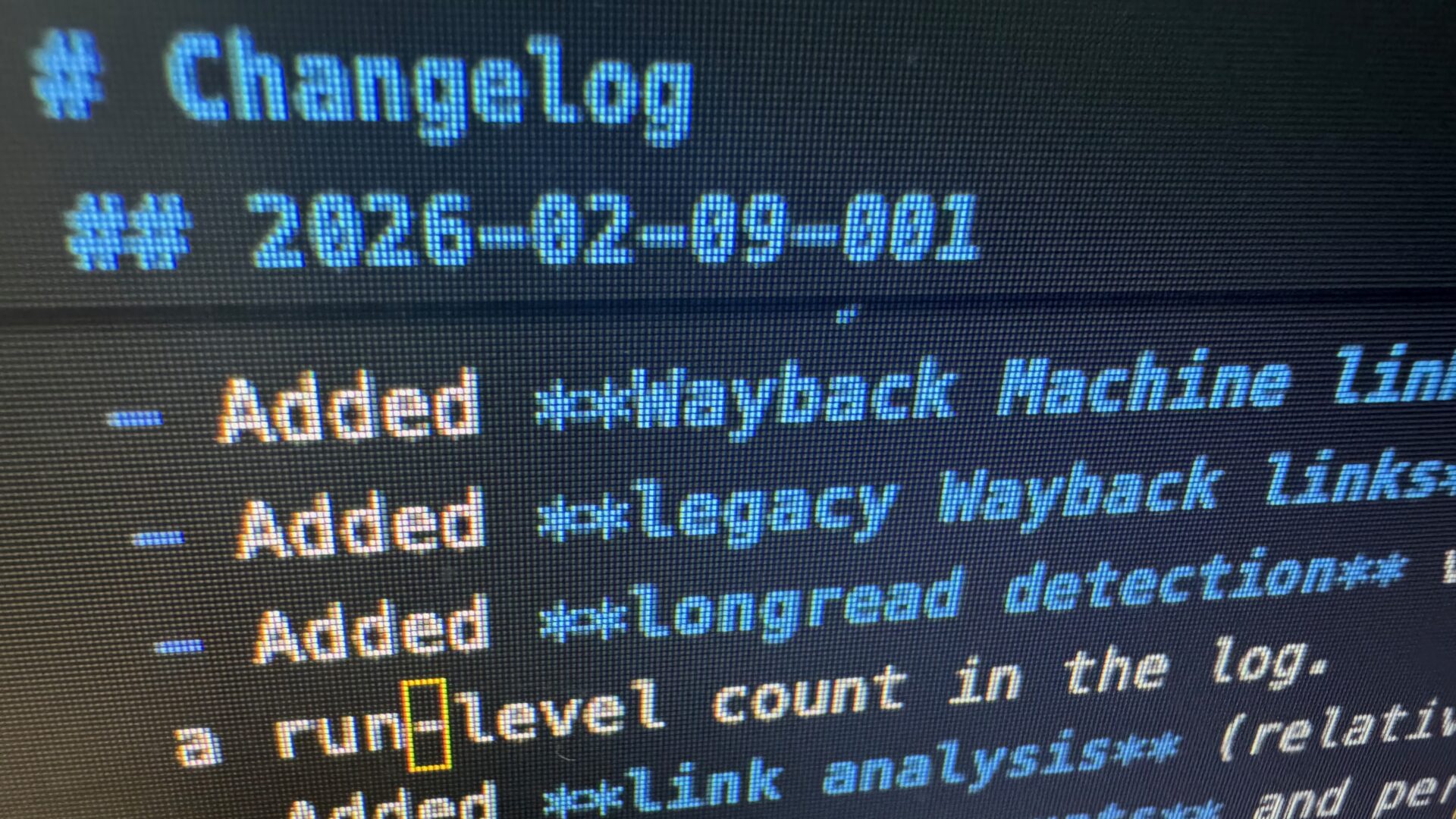
Changelog displayed on a computer screen showing entries with added functionality for Wayback machine time, Legacy Wayback links, and Longread detection, along with a run-level count in the log.
Version control: because someone has to remember this

I was going to start this post with, “Do you read the papers?” But of course you don’t. Nobody does. But you watch TikTok for news, or see clips of a shouty man on LBC. Something like that. And, if you’re aware of the world around you, you’ll know that things aren’t going well. Unless you are a billionaire with stakes in Artificial Intelligence. Then, well, you are pretty much treated like some kind of God. If this were ancient Rome, you wouldn’t be another minor deity. You would be a figure of cold, calculated logic and immense influence. You will be called ‘Algorithmus’, or something like that.

If you were Algorithmus, you’d look down at the lesser gods on Mount Olympus and enjoy all the excitement around AI. The hype would be your strength. Meanwhile, ordinary people sacrifice their privacy for your benefit.

The Romans didn’t have AI, but they would understand hype. That’s what’s happening with AI today. I’m not ancient Rome old, but I do remember the internet buzz in the early 2000s. The internet was overhyped and in a bubble, but after the excitement faded, people found real uses for it. It’s similar to how Roman roads were built for armies to destroy villages, but ended up helping everyone.

My memories of the internet hype, more than Roman roads, shape how I view today’s AI tools. AI and machine learning are clearly useful. The chatbot trend will likely become something practical for society, hopefully in a positive way. Lots of people already use basic AI tools to be more productive. Still, I wanted to try it myself. I was curious about “vibe coding”—the idea that you can build complex software just by giving prompts to an AI coding tool. Could I really create working software just by chatting?

I’ve worked in technology my whole career, but I’m not a coder. I did take a computer studies O-level back when that existed, long after the Roman Empire, just to be clear. So I have a basic grasp of coding. As a product manager, I understand the challenges and limitations engineers face. I once worked with a senior developer who thought anything could be built with software if you had enough time. Now, I’m not so sure, since deadlines and delivery dates matter just as much as what’s possible in theory.

Software development has changed a lot in my lifetime. It wasn’t really a formal field when I was in school, but now it’s central to millions of jobs. Some companies only build software, and everyone else relies on it to run their business. Engineers have always turned ideas from people like me into real systems. Now, the question is how much of that work AI can do, and what skills you need to guide it well.

A small experiment at work a few weeks ago got me started. I needed to make sense of one of our system logs, which are tough to read. Online tools can make them look nicer, but without context, they’re not very helpful. I built a simple tool and provided enough context to organise the log output in a way that made sense for us. That experience inspired me.

A big part of being a product manager is turning business or market needs into things engineers can build. That challenge doesn’t disappear with AI. In fact, you might need to be even clearer about what you want. Human engineers usually have some background knowledge, but AI agents don’t, no matter how much training they get. They’ll improve, but for now, they really need clear instructions.

Recently, OpenAI added more features to its coding tool as part of my plan, so I decided to try something personal and see if I could “vibe code.”

The project

Back in the early 2000s, when blogging was at its peak, I wrote often and hosted my own site. It’s still online. About ten years ago, I added a feature that shows me posts I wrote on this day in past years. Usually, that’s two or three posts.

I’ve long wanted a small app that could pull up those posts each day so I can review them and decide if they should stay as they are. Part of that depends on whether the links still work. I see those posts as a time capsule and don’t really want to delete them. But blogging was fast-paced, and I didn’t always check spelling or proofread. I want to fix that, but not all at once. I need something I can run occasionally, fix a few posts, and move on.

So I described a tool that would pull the right pages, find each post, check spelling and grammar, and look for broken links. It needed to run on my computer and create a report with suggested fixes and any links that didn’t work.

Ramblings to working software

I told the coding agent to assume I didn’t know how to code and to guide me through the process. Within an hour, I had a working prototype. I was surprised at how quickly I could go from a prompt to something that worked. I could test it, provide feedback, and request changes. The next day, I added more features, and the AI even found a list of over 2 million UK place names to improve the spellchecker.

Now, I have a daily web page that links to my old posts from that date, each one checked for spelling and links, with a log file that explains what the system did. It’s not commercial software, and there’s no extra interface beyond what I asked for. But it does exactly what I need.

Encouraged by that success, I tried building a second tool. This one would download any of those blog pages, reformat the text, and let me paste the result somewhere else. The AI suggested making a Safari extension, so I needed extra build tools and had to connect it with software already on my computer.

This project was more complicated and a bit frustrating. I probably could have guided the AI better if I understood the build tools more. I wanted it to work with an existing app that has a command-line interface. The AI kept suggesting solutions that didn’t work on my setup, even though I explained what I was using. That’s when my limited coding experience became obvious.

After some compromises, I got a working version. It runs on my computer and does what I wanted. During the process, the AI just waited while I went to meetings and came back hours later. It picked up right where we left off. Since language models don’t exist between chats, there’s no one waiting impatiently. I just came back when I had time.

I can see how a skilled engineer, who knows when to step in on complex parts, could get much more done with this kind of help. But my experience shows that even someone with limited coding skills, as long as they can describe the problem clearly, can quickly build useful software and solid prototypes.

There were other small surprises, too. I asked the tool to write a user-friendly description of the software’s functionality. In less than a minute, it came up with something better than I could have written in hours. With a few more tries, it could have made full documentation. The log file it created explains each step in plain language, which I’ve always liked for systems that need to be clear to non-coders.

So, where am I on the hype cycle now? I don’t think AI will replace engineers. You still need someone to turn ideas into working solutions. Clear requirements and context are still important. But I do think that for people who understand technology, AI makes it much easier to build small, useful tools. It lets you try things that might have stayed as just ideas before. For experienced engineers, it’s definitely a superpower.

The hysteria may fade. The Roman invaders will leave. Algorithmus might end up in jail. But the useful things will stick around.

Weeknotes #159: buns, binge, bridges

Rainy week, resilient leaps, food risks, thoughtful station tour.

Week commencing Monday, 2 February 2026

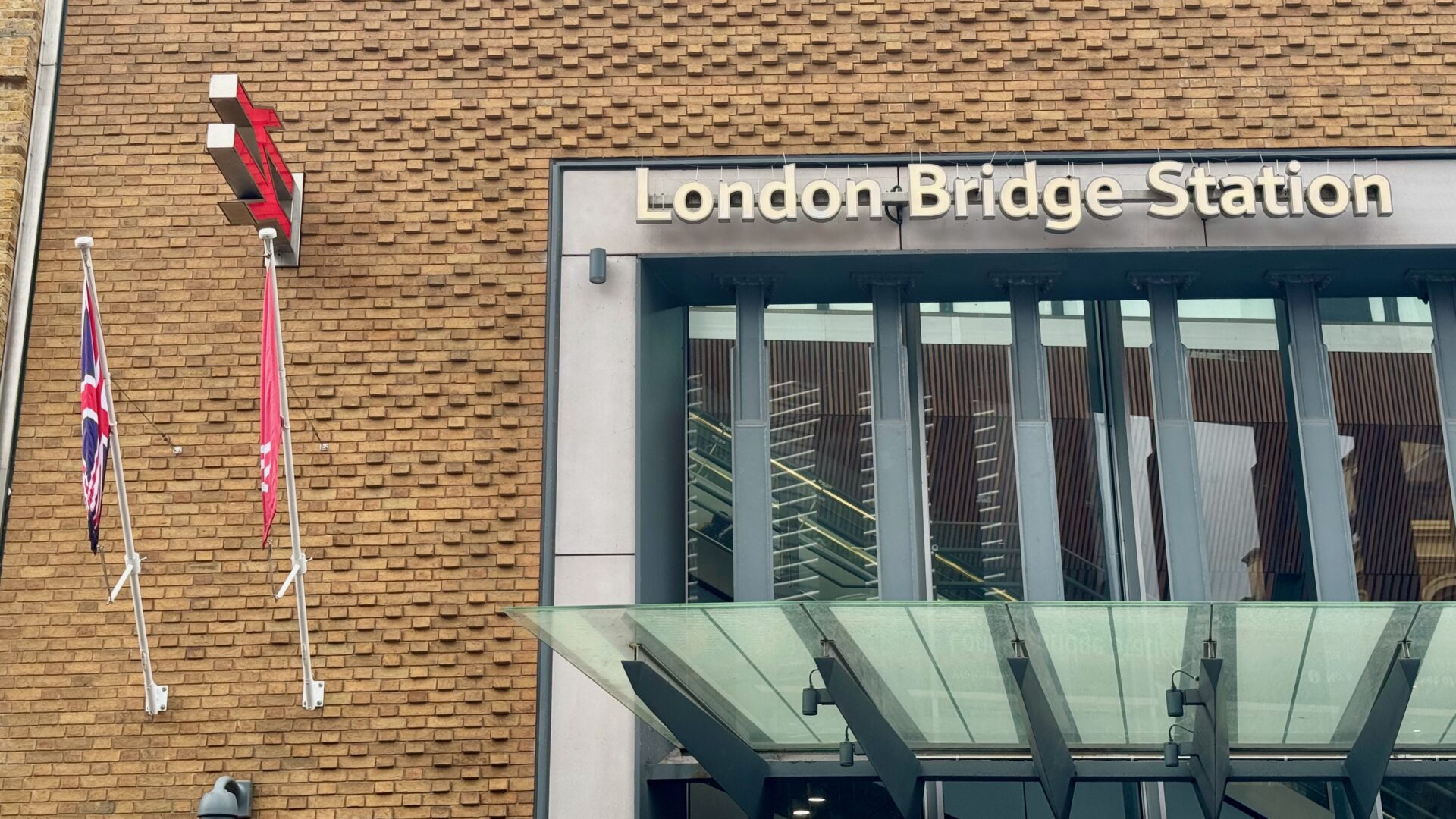
Modern entrance to London Bridge Station with glass canopy and metallic lettering on beige brick facade, Union Jack and British Rail flags visible on left
Not falling down: London Bridge Station stands strong

Quantified Self

  • This week: Stand 6/7; Exercise 3/7 and Move 4/7. (62%). Morning walks: 0/4. Office days 1/5. Total steps: 41,471. 15.3 hours in meetings.

Life

  • I was at home for much of the week. I went to the office once. I am not sure I left the house on weekdays other than for a small shopping run. It rained a lot.
  • Related, they’re still working on the water pipes in the street. Their digging has blocked a storm drain. I have to leap puddles to cross the road.
  • Relatedly related, I don’t leap well, and I discovered my shoes are not waterproof.
  • We got a gigantic hot cross bun this week. It wasn’t quite as good as I’d hoped.
  • Food-related, on Tuesday my Vietnamese pho had been sitting on the hob for several days. I survived its consumption.
  • Sunday, to London Bridge Station for a tour, where it ceased to be somewhere to pass through and became something to look at. The tour focused on the station and its immediate surroundings: the arrival of competing lines, the coexistence of two stations, and the long process that eventually fused them into the sprawling place we know now. Very well done.

Media

  • I watched, more or less, the entire season 4 of Bosch in a binge this week. It might explain why there’s not a lot else to say.
  • I also discovered there were a few episodes of Love, Victor I hadn’t watched, so I finished them. Love, Victor seemed a little too neatly tied up at the end. I suppose that’s good for the kind of show it was. It’s a shame they didn’t take it for another couple of series.
  • We watched an episode of Roman Empire by Train with Alice Roberts. It has a lot about the Roman Empire and is presented by Alice Roberts. There’s really not much train in it.
  • Related, the episode focused on Pompeii, which looked absolutely amazing. Even though it’s being horrendously overrun by tourists, it seems like a place we should visit.

Weeknotes #158: still out after dark

Thoughtful outings, cultural highlights, and small wins amid winter evenings.

Week commencing Monday, 26 January 2026

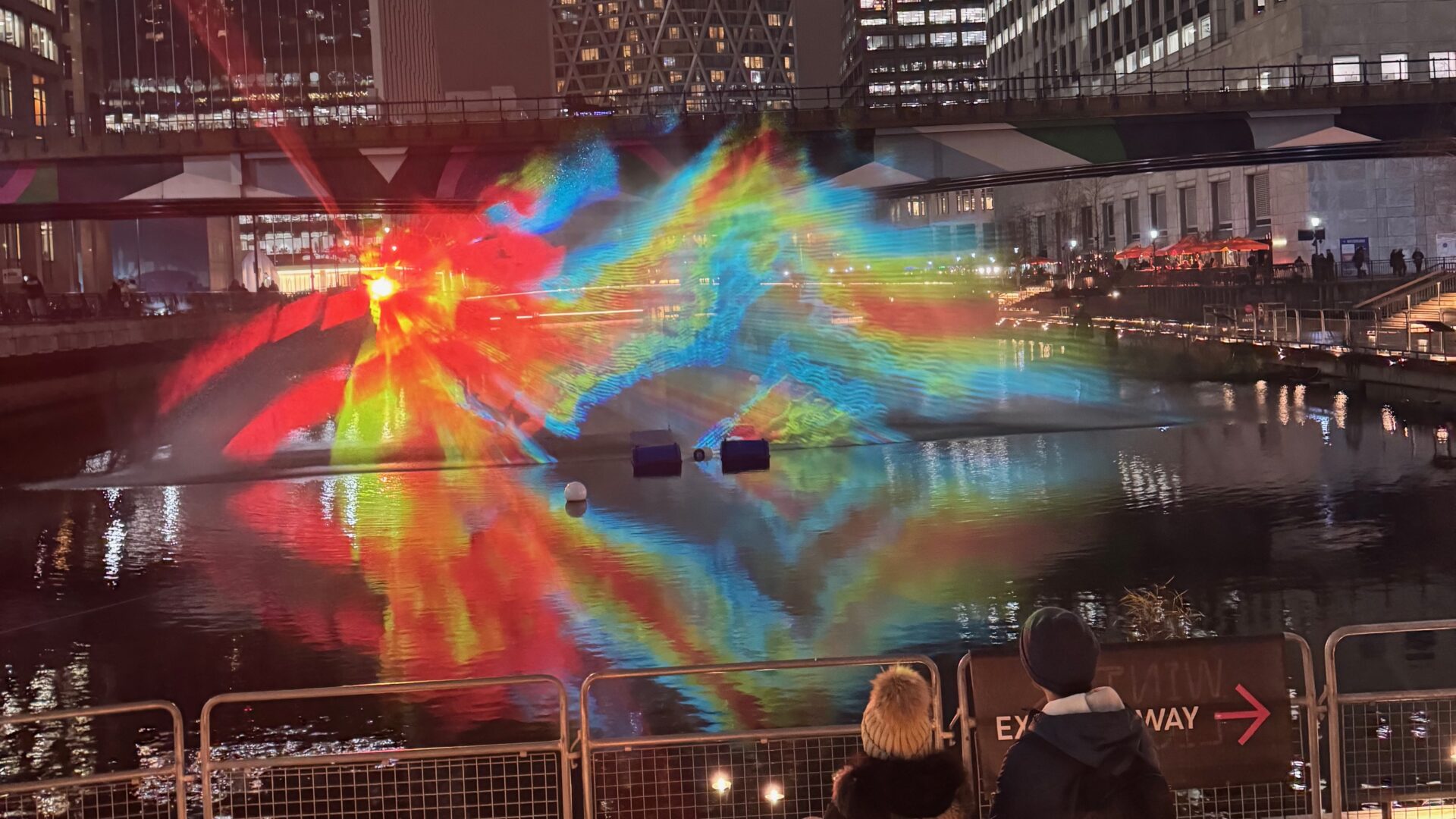
Colourful light installation reflected in water at Canary Wharf's Eden Dock at night. Vibrant rainbow beams of red, blue, yellow, and green light form geometric patterns across the water surface, with modern office buildings in the background and spectators viewing from behind barriers in the foreground.
Amplitudes transforms Eden Dock with rainbow light reflections.

Quantified Self

  • This week: Stand 6/7; Exercise 4/7 and Move 7/7. (81%). Morning walks: 0/3. Office days 2/5. Total steps: 51,782. 14.5 hours in meetings.

Life

  • Hello February! Where did you come from?
  • Here’s a story about social media’s made-up lies about immigrants in London. This should be a bigger story because thousands will have seen the original fibs (original reporting by London Centric and ht to The London Minute for linking to it).
  • Monday afternoon, I chat-botted with Bose support to see if there was anything that could be done about the terrible battery life in my very old noise-cancelling headphones. They gave me a sequence of things to try (plug, unplug, pair), and they came alive. So far, the results are very positive. They may be salvageable.
  • Monday evening, to Canary Wharf to see the Winter Lights. It’s an event that’s been running in January for a few years and is very suitable for dark winter evenings. It can get very busy, so we thought trying a Monday night might be better. Still plenty of people, but no overcrowded areas like in some years.
  • Ironically, a non-light art piece, “Whale on the Wharf”, was my favourite.
  • A leaving do had been planned for this week with no firm day. Today, we agreed to meet tonight. So I found myself drinking Black Heart stout at the BrewDog in The Sidings below Waterloo Station.
  • Related, Frickles tasted more of the batter than the pickle.
  • Relatedly related, bowling was fun. So was the slide.
  • Thursday, fun with AI that wouldn’t revert to the working version of the code, even after I explicitly gave it the last working version.
  • Later, nice to be in the pub with colleagues: it’s why I go to the office.
  • Friday, to Southwark Union Theatre to see Why Would We Care?, a new British musical premiering there, exploring themes of power, control, and the cost of a “perfect” society. Fun, but needs work.
  • Saturday, Number One, London (Apsley House) is worth visiting. Lots of impressive ‘history stuff’! And pictures of Napoleon. And an overly large statue of Napoleon. It’s also very unshowy, in spite of the world-leading art collection, and you could be forgiven for missing it.
  • I could have missed The Destination Travel Show as we really didn’t find South Korean inspiration.
  • Sunday, an evening of musical performances at Love Life: West End Unites Against Cancer, a star-studded benefit concert coinciding with World Cancer Day.
  • A lot of stars of recent big musicals were on the line-up: Nicole Scherzinger (Sunset Boulevard, Cats), Tom Francis (Sunset Boulevard, & Juliet), Diego Andrés Rodriguez, Bella Brown, and James Olivas (Evita), as well as West End favourites, including Carrie Hope Fletcher and Jordan Luke Gage. Very, very, good.

Media

  • We watched more episodes of Blue Lights, but I am not sure either of us was fully engaged.
  • Later in the week, the first episode of Heated Rivalry. I knew very little about it ahead of watching, except that it was recommended by Amanda, and the TV series has catapulted the story into the stratosphere.
  • The book apparently perfected a specific trope: the grumpy vs sunshine—or, in this case, the arrogant chaos-agent vs the repressed golden boy—dynamic. This TV adaptation debuted with a 95% rating on Rotten Tomatoes, which seems remarkable. I need to watch more; they say episode three is where you get hooked.
  • Also, two episodes of Alexander Armstrong In South Korea, where the presenter embarks on a three-part travelogue across South Korea, exploring the contrast between ancient traditions and futuristic K-pop culture. Some inspiration for our trip.
  • Related, watching Alexander Armstrong watching YouTube “mukbang” star Heebab perform “broadcast eating” did not make me search it out.
  • Hoorah. Game Changers Radio is back after the Christmas, and for them, summer, break.