Reflecting on last year’s sunny festival whilst contemplating this weekend’s adventures.
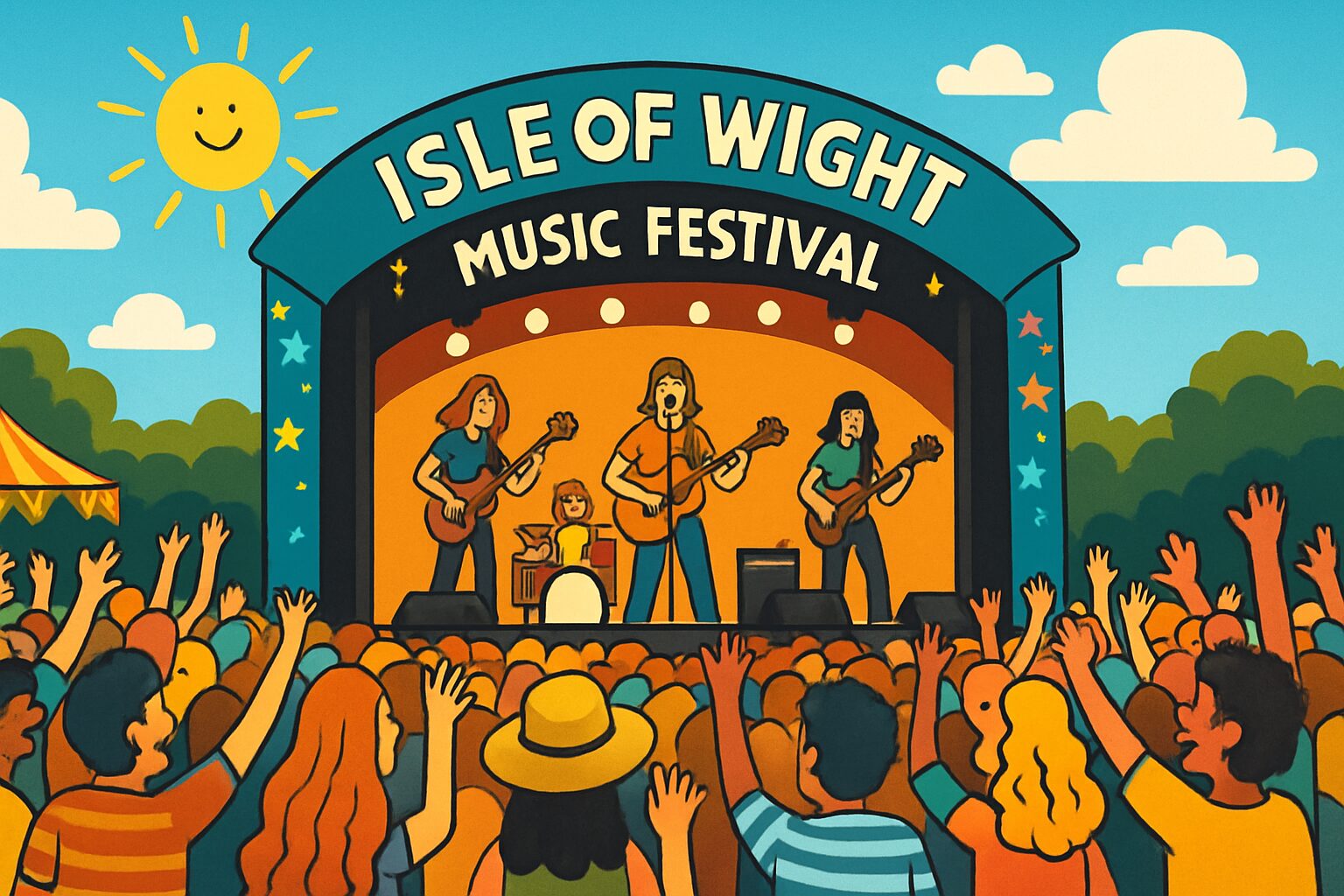
Cheerful crowds at the Isle of Wight Festival. Image created by ChatGPT.
Can you believe it’s almost time again? Last year’s festival was special. We lucked out with the temperature; all that careful planning for wet weather gear was wasted, thankfully. Am I tempting fate if I look out the window and think this heatwave might hang around for the weekend?
Last year, The Bootleg Beatles set the tone nicely at the start with lots of sing-alongs, and hindsight makes those long walks between stages — and battling the crowd to get out — feel more like an adventure than a chore. Will I say the same on Monday?
Looking back, it was a real lesson in festival strategy. Preserving energy is my takeaway: knowing when to retreat before the very end paid off, ensuring a smoother bus ride back to Ryde. Striking a balance: wanting to be right up close for some acts but accepting that hanging back and relying on the video screens is sometimes a better move, except perhaps when The Pet Shop Boys were on stage.
So here we are, a year on, and my internal buzz is building despite feeling a little unwell. I’m already thinking about the bus tickets and the first coffee runs, hoping we find that sweet spot near the main stage where you can soak it all in and, hopefully, not be too squashed. I suspect there will be another morning hunt for the festival’s best bacon bun.
Fingers crossed, the weather holds out as beautifully as it did last year – all those wet-weather clothes can definitely stay in Ryde again! There’s something exciting about getting back into that festival routine, the journey, the crowd, the long walk to the main stage, and just seeing what surprises the lineup holds this time around. I wonder if I’ll write another festival diary?
PY’s book, Apple event, world tensions, and weekend podcasts
Week commencing Monday, 9 June 2025
Emergency Hotline: When Your Lift Gets a Retro Upgrade
Quantified Self
This week: Stand 2/7; Exercise 2/7 and Move 2/7. (29%). Morning walks: 0/4 (days in the office don’t count). Office days 1/5. Total steps: 32,246
Life
PY published his book on Amazon. This is fantastic. Go read it. I think there will be a free offer next week! I am very proud of all his efforts. So exciting.
They’re all doing books now: Ari Paparo has written one detailing the transformation of digital advertising through ad exchanges, Google’s market dominance, and publishers’ countermeasures. But it’s not available at the moment. I pre-ordered. Niche audience, I imagine.
Apple held an event. Something about a new design language for Apple devices. Also, the iPad got better. It’s interesting how these launches have started to blend into one another, like déjà vu in product form. Sometimes I wonder if we’re moving forward or just refining the same ideas endlessly.
I went to the office on Tuesday and then stayed at home, a lot. I get that look when I start coughing. It’s nothing contagious, folks! You know, that look that silently says, “Stay back!” Honestly, I’m more frustrated by it than anything else.
Related, the emergency communication button is broken in one of the lifts. So, there’s a radio to contact somebody if help is needed. Never seen this, but a clever way to keep the lift in service.
I had to go to the Spanish consulate on Wednesday morning. I went through security to discover I was an hour early and had to sit in a cafe having a coffee until time ticked around.
There was a US military parade on Sunday, but it seems like America is more divided than ever. I wonder when ‘seeing it from the other side’ actually went out of fashion? Not good for the world. It’s sad to see how quickly empathy seems to have faded from public discourse. Maybe we’ve forgotten that understanding the other side doesn’t weaken us — it’s what holds us together.
We started watching Murderbot. It’s not usually my kind of thing, but this is good. Binge-worthy.
We started season two of The White Lotus and it’s just as disturbing as the first series.
I have made it into 2025 for Melbourne Radio Wars, and I am nearly up to date. There’s great chemistry between Irene Hulme, Wade Kingsley and Craig Bruce, which is why it’s so engaging even from afar.
Endured illness but engaged with new ideas and social moments
Week commencing Monday, 2 June 2025
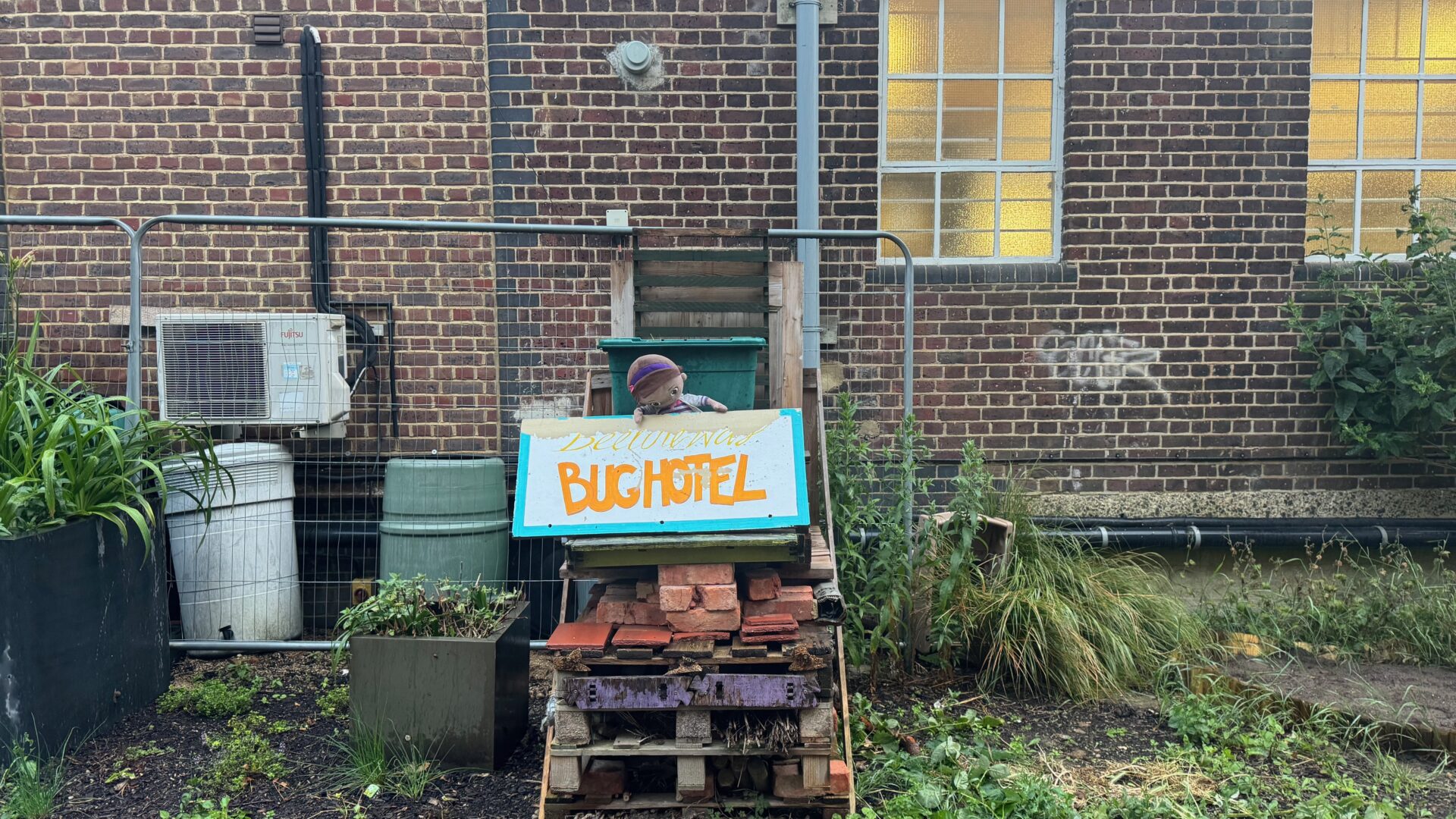
The Bughotel: Buzzing B&B on The Beeline Way
Quantified Self
This week: Stand 1/7; Exercise 1/7 and Move 1/7. (14%). Morning walks: 0/5, Office days 0/5. Total steps: 22,888
Life
I felt awful all week: a relentless cough combined with a lingering cold really knocked me about. There were moments when I wondered if I’d ever sound normal again. The combination of the cough and whatever cold-like illness I caught at the end of last week was very unpleasant. At times, the cough was continual, loud and distressing. I can’t imagine what the neighbours thought. My Quantified Self numbers (above) speak for themselves.
I avoided the office for fear of being sent home, but also because I didn’t want to be that person coughing through every meeting.
Related, it was disappointing to miss Tai Chi and a Breland concert I’d been looking forward to. I guess guilt and illness make for a heavy combination. I kept wondering if I was being overly cautious or simply sensible.
The online Volunteering Forum on Tuesday was well run and very engaging. I am glad there are some new ideas in the programme, even if everybody’s favourite part, the summer scheme, has been closed. I can listen while muted, and the cough disturbs nobody. And, unlike work calls, this was a camera-off event so nobody saw me go red every time I coughed.
Saturday was the first day I ventured out this week — lovely Korean meal with friends. I managed to get through the early evening dinner without excessive coughing.
Related, on the walk back along The Beeline Way between New Malden and Raynes Park, I noticed The Bug Hotel, designed to provide nesting sites for carpenter and leafcutter bees. Nice.
I walked to and from Wimbledon on Sunday, still sounding like a sea lion on occasion. The fresh air helped clear my head, even if my throat wasn’t quite ready to join the conversation.
Last week, I sent an application for something. No idea if it was the right move or just a hopeful stab in the dark. Sometimes you have to throw your hat in the ring and see what happens. Cryptic.
Last year, I started listening to Game Changers Radio: Melbourne Radio Wars but, for some reason, stopped. While I have been at home so much this week, I’ve binged several months’ worth of catching up. Despite being across the world, it’s riveting.
I discovered who @BennyDrama7 was this week, thanks to the Prime Series Overcompensating: a story following Benny, a former high school jock and closeted college student, through his freshman year. We completed the series.
Coughing through songs, feasting outside and sneaky sips
Week commencing Monday, 26 May 2025
Pint-Sized Perfection
Quantified Self
This week: Stand 5/7; Exercise 5/7 and Move 5/7. (71%). Morning walks: 2/3 (days in the office don’t count). Office days 1/5. Total steps: 44,581
Life
Monday was a bank holiday. I took Mum and Dad to the station before heading home. It’s always sad when they go. Their train was very full, so I was relieved to hear they’d found a seat. Less impressed by the station security people who tried to move me on from waving them off.
In the evening, to the Odeon Cinema in Wimbledon to see Wes Anderson’s The Phoenician Scheme. I love his deadpan style, meticulously styled cinematography, and symmetrical compositions. Another great film that looked stunning.
The plot? It’s a dark comedy that follows wealthy businessman Zsa-zsa Korda, who appoints his only daughter, a nun, as sole heir to his estate. Later, they must fight off scheming tycoons, foreign terrorists, and assassins. So, just your everyday tale.
Thirsty Thursday happened this week, but instead of standing outside the same pub all night, we went for some food and sat outside a different pub! The food was delicious. It was good to break the pattern – a small change that made the evening feel different.
While I was doing that, PY was on The Island, finally resolving the electricity meter problem. Wonderful news.
I woke up on Friday with what I thought was a cold, which has the additional impact of making my cough worse. I was not very well.
But I managed to get out of the house to see The Crazy Coqs sing Celine Dion. And, as I was feeling a bit better and we got 20% off at The American Bar, we had a drink there before heading home. I was glad I made the effort – the singers were terrific, and it felt like reclaiming the tail end of the week.
Media
I discovered a fantastic YouTube series by a creator travelling from the Arctic to Africa by train and binged the first three episodes: Downie Express: Arctic to Africa. It’s well done. Episode 4 drops next week.
Cut Above the Rest: Scissor Sisters Slice Through London
Quantified Self
This week: Stand 7/7; Exercise 4/7 and Move 7/7. (86%). Morning walks: 1/5 (days in the office don’t count). Office days 0/5. Total steps: 56,823
Life
On Monday, I underwent a CT scan related to my cough. It was over quite quickly. I’m not sure how I felt about it. I think I was expecting it to feel like more of a moment, but instead it was just something that happened, and then it didn’t.
Relatedly, on Thursday, I had a lung function test. I had no idea I could breathe out for so long. It was their first appointment of the day, and the clinic was locked when I arrived. Eventually, I was let in, and it was all over quickly—if a fifteen-minute wait for a test dose of medication counts as fast. There’s something faintly ridiculous about being coached through deep breathing at 8:30 in the morning.
Monday evening was another of our monthly visits to the pub quiz. Ben joined us, so it was a team of five. Inexplicably, we came second, which means there’s a round of drinks next time we go!
Mum and Dad arrived on Thursday and visited the Chelsea Flower Show on Friday. I thought they’d be more impressed with the dig garden than they were. So, we took them to a garden centre on Sunday.
On Saturday, we took a bus to Wimbledon Village, tried empanadas at the shop on the high street, went for a walk to Wimbledon Common, stopped for a drink at Canizaro House, and bussed home.
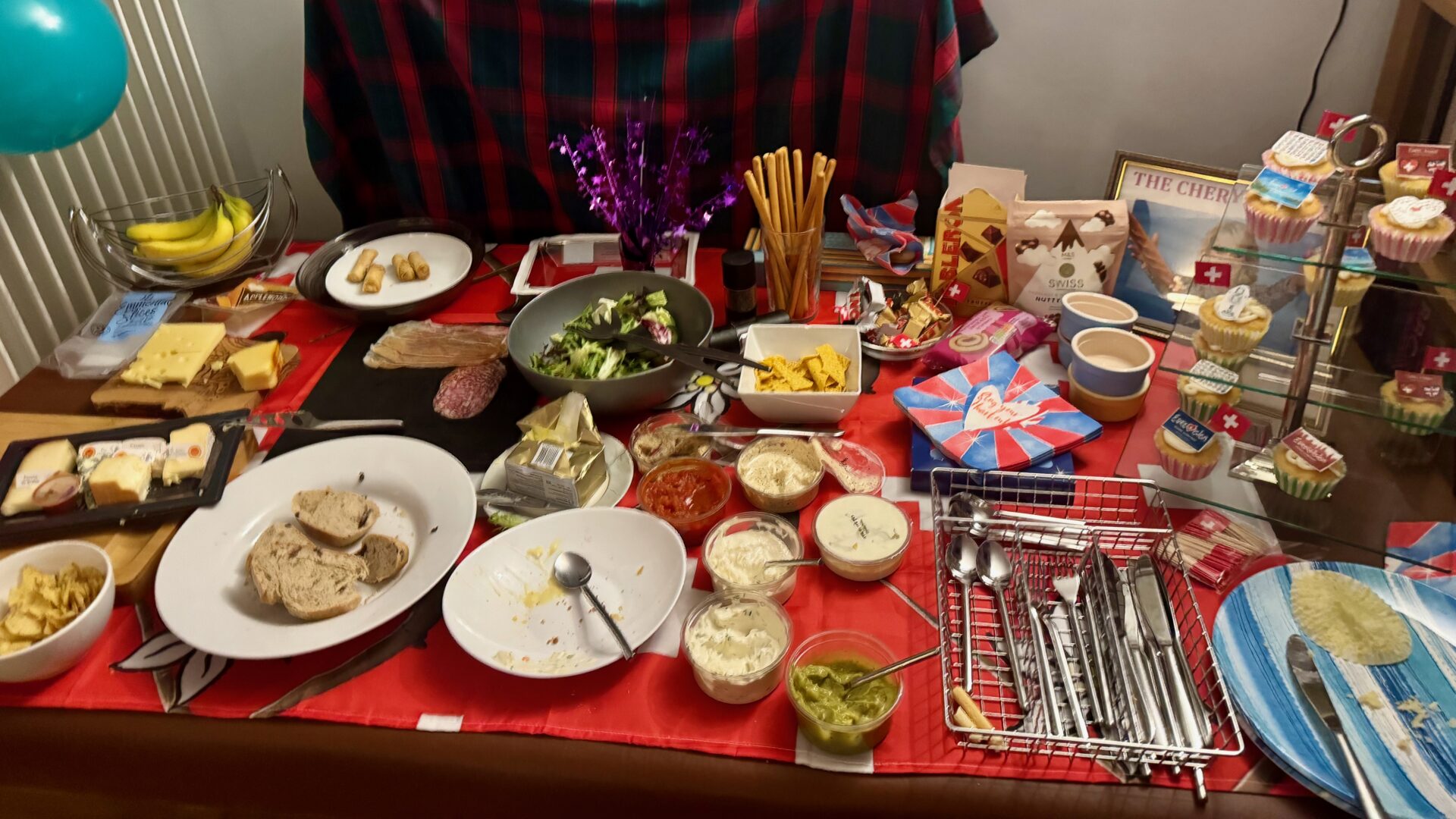
The cheese came out again, and we had leftover Eurovision cheese fondue and raclette. It was delicious. We’re now in that post-Eurovision phase where leftover cheese becomes its own food group.
Friday night was Scissor Sisters at the O2 with PY and Mark. Before the show, the drinks in the O2 Blue Bar were nice, and we had excellent seats. Scissor Sisters were fantastic. I wish I had just a small portion of Jake Shears’s energy.
And, just before they are to be taken back into national ownership, SWR announced superfast onboard WiFi—but only as far as Basingstoke (which won’t help my south coast commutes)!
The New European: “Inexplicably, energy cooperation – which is essential to the UK’s future economic growth – has attracted barely a tenth of the column inches as has fishing, an industry which employs fewer full-time fishers than there are tattooists in the UK. But any long-term EU deal needed to explore these questions.”
Eurovision fun, successful chilli, sensor woes, and work thoughts.
Week commencing Monday, 12 May 2025
Eurovision buffet
Quantified Self
This week: Stand 7/7; Exercise 6/7 and Move 7/7. (95%). Morning walks: 4/4 (days in the office don’t count). Office days 1/5. Total steps: 64,365
Life
I pay for one of those insurance policies that sends somebody to fix plumbing or electrical issues. I’d booked someone to fix the sensor that turns on the bathroom light. It needed replacing. But now it turns off too quickly, and I don’t think I’m covered for another call-out.
Related: it’s not a setting on the sensor.
I went to see a consultant about my cough. More tests are booked. It’s getting (slightly) worse. It was a lovely walk up to the hospital.
Tuesday and Thursday evenings were Eurovision semi-finals. They were a lot more fun than I remembered and gave me a chance to see the songs before Saturday.
Saturday was the Eurovision party. The weather was nice, so people could sit outside if they weren’t that keen on watching. We rigged up multiple speakers.
Related: we retrieved the lockdown projector and projected the image onto the kitchen units for those at the end of the room.
My slow-cooker bean chilli with vegan cheese was a huge success and very easy to prep in advance.
We didn’t get the cocktails in a can out early enough, so most people didn’t know we had them.
The winner was Austria with the song Wasted Love, performed by JJ. The Austrian in the room was very happy.
The sixth episode of Doctor Who was watched on catch-up on Sunday. The Interstellar Song Contest featured the Doctor and Belinda attending a futuristic Eurovision-style song contest and a plot to kill trillions of people. Cameos by Rylan Clark and Graham Norton were quite good.
A lazy bank holiday. We walked into Wimbledon, picked up steaks, and not much else.
My local Co-op still has empty shelves after the cyberattack. It’s odd.
I skipped our Cinco de Mayo social and spent the evening on a train to Portsmouth Harbour. Glad it ran to time.
The ferry to the Island was busy, but fine.
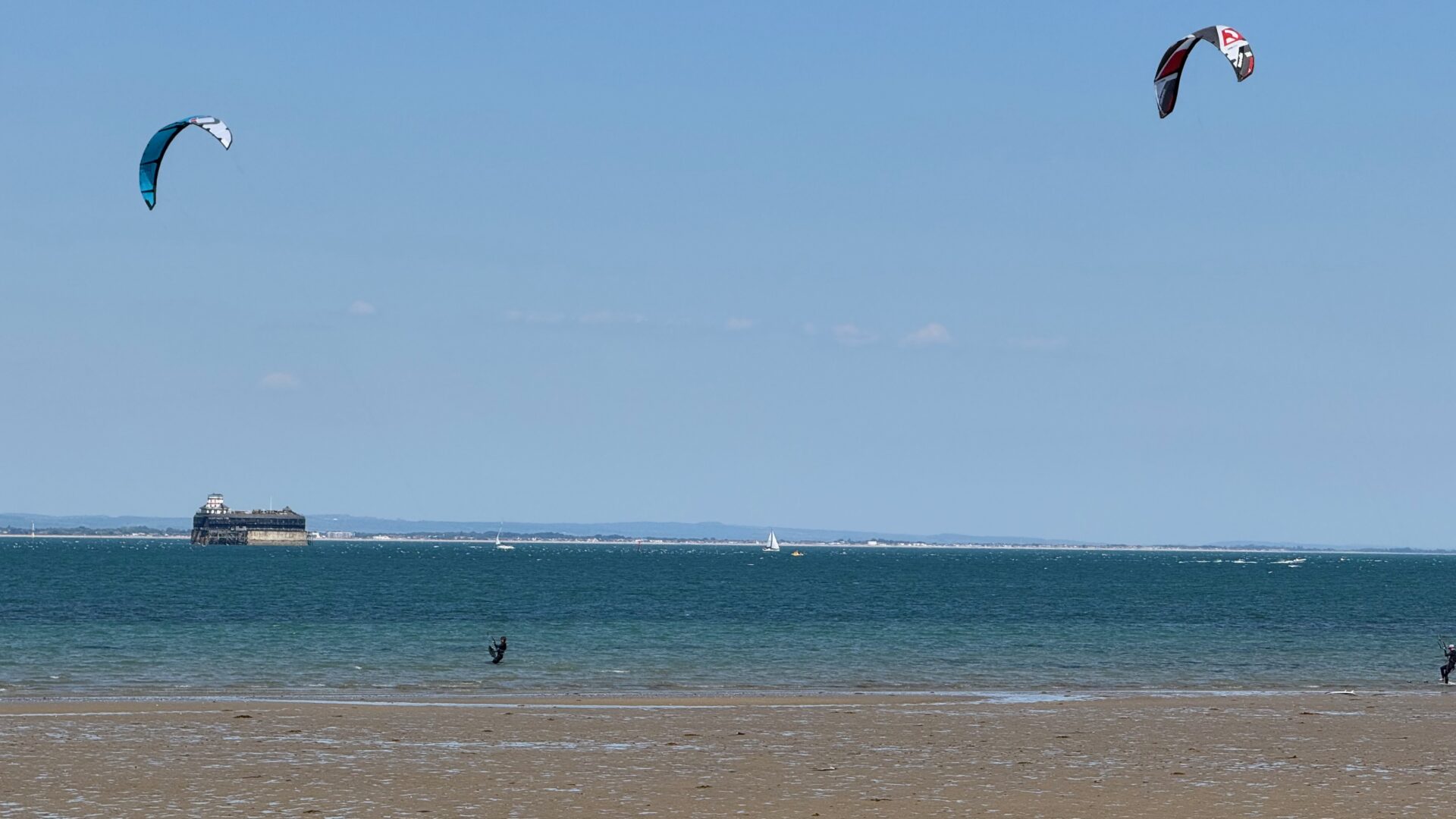
We spent most of Saturday in the sunshine with drinks, watching the kite surfers. A proper sunny day.
Sunday breakfast at RT Café Grill was delicious. We sat outside and soaked up the weather.
Media
Conclave is a Vatican thriller directed by Edward Berger. Ralph Fiennes plays Cardinal Thomas Lawrence, overseeing a secretive 72-hour papal election. Timely, and very enjoyable.
Volunteering celebration, good company, and fun-filled musical weekend.
Week commencing Monday, 28 April 2025
Near, Far, Wherever You Are… You Can Hear Céline
Quantified Self
This week: Stand 3/7; Exercise 4/7 and Move 4/7. (52%). Morning walks: 0/4. Office days 1/5. Total steps: 45,714
Life
It’s been almost two years since the King’s Coronation. PY and I spent part of the day volunteering as wayfinders for visitors on the South Bank. In January, we were delighted to learn that volunteers had been awarded a Coronation Medal—a longstanding tradition dating back to King Edward VI in 1547. We collected ours on Tuesday.
We had a ‘happy path’ discussion at work, aiming to understand the ideal workflow without failures and to facilitate early testing. It’s a concept that always amuses me, and thirty minutes was too short a time to reach a solution.
Drinks on Thursday night, where I was (almost) persuaded to apply for an old job, but I think that was just the combination of drinks and good friends.
Saturday, to Woking, for a family barbecue, where there was too much fantastic food. Nice to see everybody. Way too stuffed to eat in the evening, but we could catch up on Doctor Who.
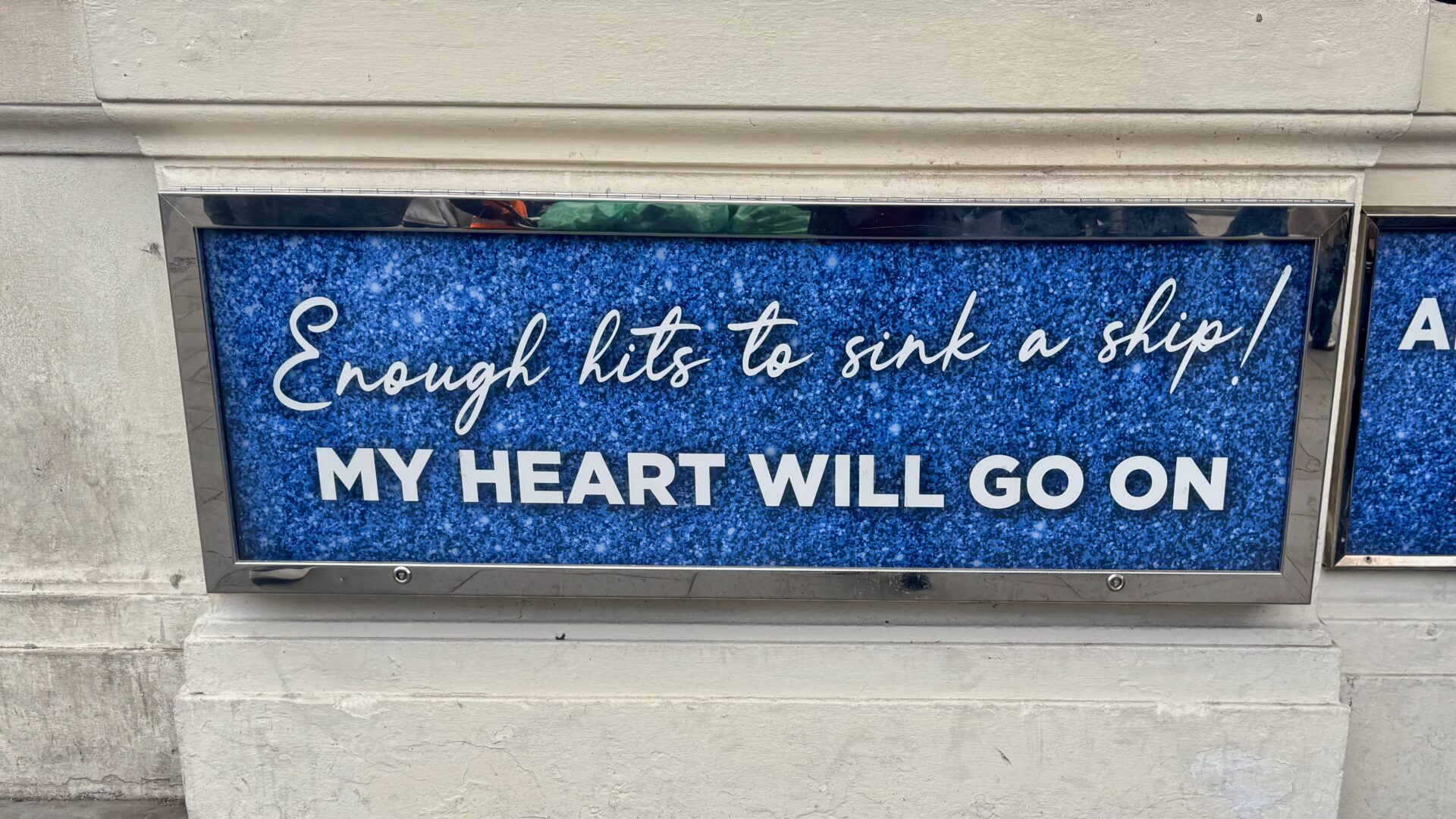
Sunday, to see Titanique, a jukebox musical blending the story of the Titanic with the music of Céline Dion. It’s a comedic take on the film; Céline Dion is portrayed as having survived the sinking of the Titanic. Enjoyable and much funnier than I expected.
Media
In End of the Street Linda Melvern tells how Rupert Murdoch moved his newspapers from Fleet Street to a new, technologically advanced plant in Wapping, bypassing traditional union agreements, triggering a major industrial dispute marked by mass picketing and violent clashes. Ultimately, the move broke the power of the print unions and transformed the British newspaper industry. It’s a story of making a big business change and its brutal consequences.
Lucky Day is the fourth episode of the current Dr Who series in which The Doctor and Ruby fight an anti-UNIT conspiracy theory and a campaign of disinformation against them. Set in the current year, bits of it felt too real. The Little Mermaid’s Prince Eric was the villain.
Culture, musicals, cheese and travel made for a joyful week.
Week commencing Monday, 21 April 2025
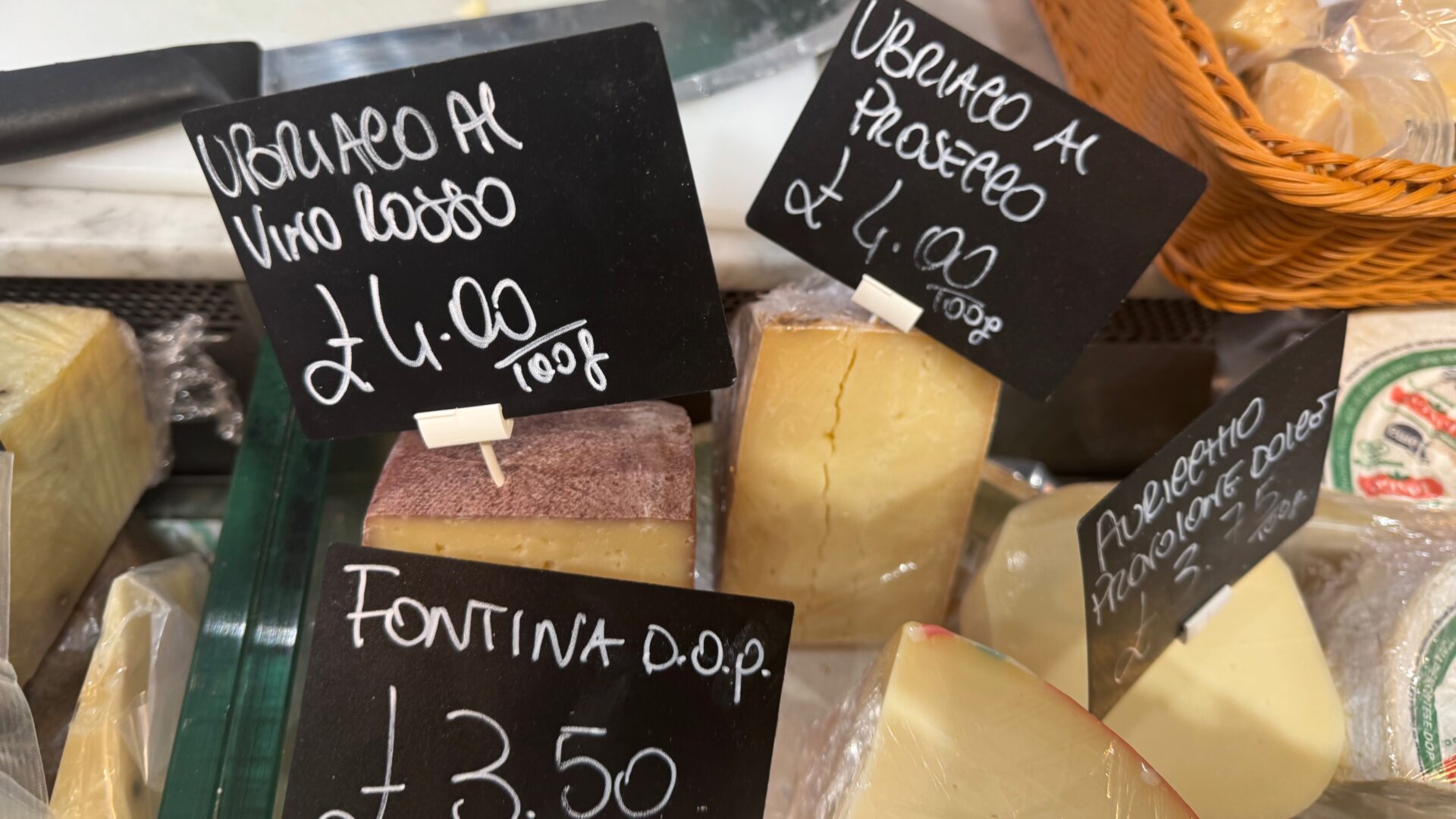
Artisanal Italian cheese display at Lina Stores delicatessen
Quantified Self
This week: Stand 5/7; Exercise 5/7 and Move 5/7. (71%). Office days 1/4. Total steps: 56,504
Life
Lovely Monday morning in Shrewsbury, and a train home the long way around because of engineering works. The train from Moor Street was busy, but we secured a seat, and that’s all that is really needed.
A not-so-secret leaving drinks happened on Friday night. A colleague is going for the second time, so I didn’t want a big event—delightful time with nice people.
Friday, to a small theatre in Lower Marsh to see The Rise and Fall of Vinnie and Paul, a musical based on Paul Gauguin’s turbulent cohabitation with Vincent van Gogh in 1888. Van Gogh’s infamous breakdown and the severing of his ear ended the piece. A truly intimate, small show—really well done.
Our Saturday cheese adventure started at Fortnum and Mason and ended in Neal’s Yard. There was much delicious cheese and some fizz.
Another new musical on Sunday, Stiletto: set in 18th-century Italy, follows Marco, a castrato singer, and Gioia, a talented black woman, whose love story is challenged by a murder. I learned the non-show meaning of Stiletto as part of this experience. Also, brilliant and deserves wider recognition.
To the Actors Church in Covent Garden for Songs I’ll Never Sing, a charity concert featuring West End performers singing songs outside their typical range, in aid of Chicken Shed and The Brain Tumour Charity. Always great singers, but it does feel quite wrong drinking alcohol in a church pew.
Media
I started it at the weekend, and by Tuesday I’d finished Careless People, a memoir by Sarah Wynn-Williams, a former New Zealand diplomat who joined Facebook and was there while I was. The book reveals a very different view of the company’s culture than I experienced, but the more I hear about things that happened around that time, I am beginning to think I was very sheltered.
Enjoying walks, family moments, reading, and fun outdoor activities.
Week commencing Monday, 14 April 2025
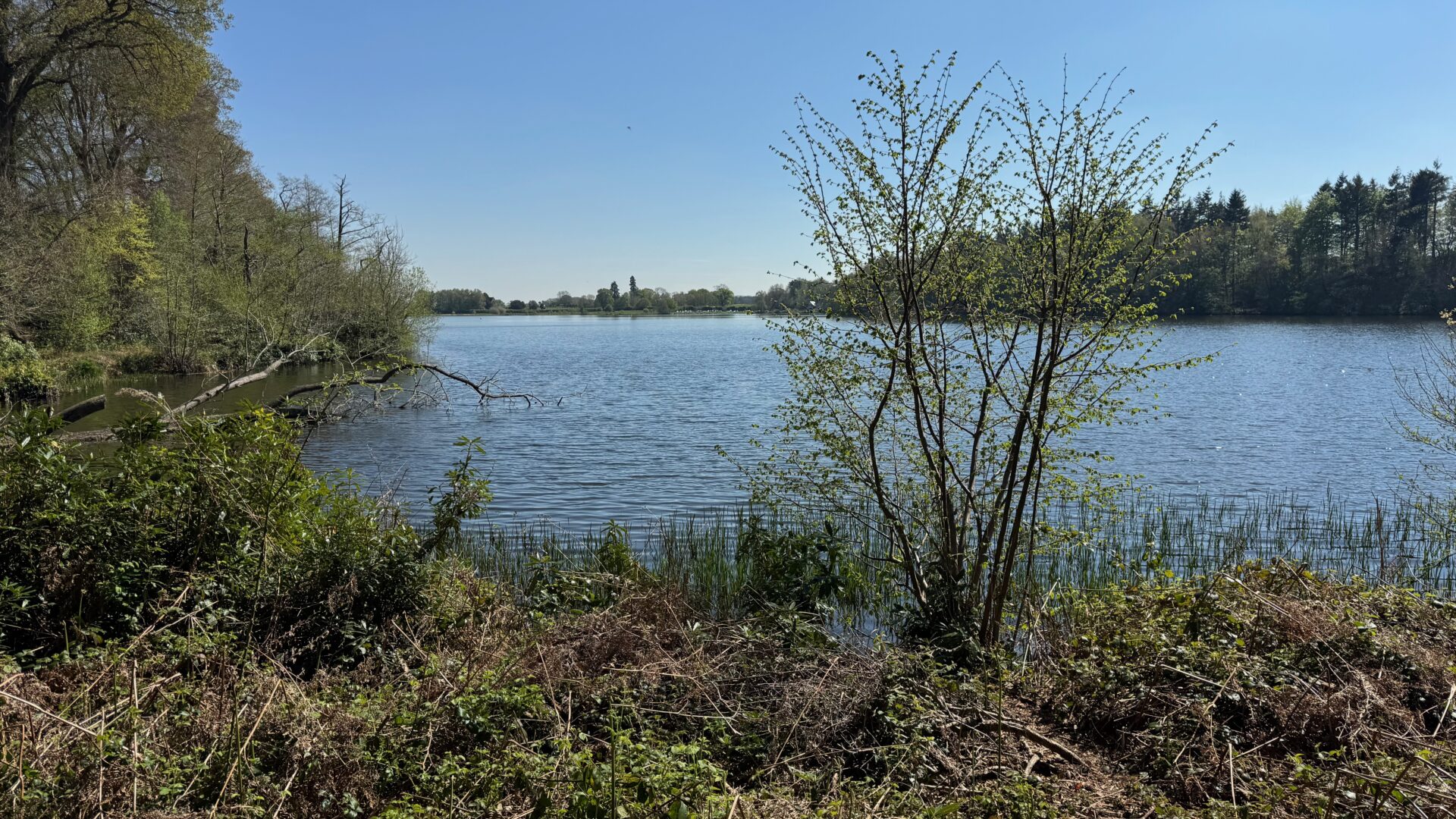
Eater at Colemere
Quantified Self
This week: Stand 3/7; Exercise 2/7 and Move 3/7. (38%). Morning walks: 0/4 (days in the office don’t count). Office days 1/5. Total steps: 37,770
Life
My quantified self metrics are some of the lowest I’ve had. This cough is affecting me more than I care to admit. I need to get out and about for some exercise.
The simplified version of the software, for speed, is far from simple, but we should continue to push for it.
I finally photographed my 2024 reading list. The books can now be rehomed, although some will remain by the bookshelf, waiting for a charity shop run.
I made the wrong call when the train was delayed. We should have taken the risk of the short interchange at Birmingham International, as we would have made it, and it would have arrived first. I’ll try the delay repay, but I bet they see this train still ran.
Attingham’s Easter egg trail was a lot of fun. I wore paper bunny ears all the way around. The lady who said to me that we have to do these things for our grandchildren did not make me feel young. The rest of the family laughed for the rest of the day.
My niece and nephew were braver on the climbing walls than I would have been. But I watched with a coffee and a flapjack and felt very safe.
Enjoyed sunshine, pub quiz, colleagues’ drinks, and homemade dumplings.
Week commencing Monday, 7 April 2025
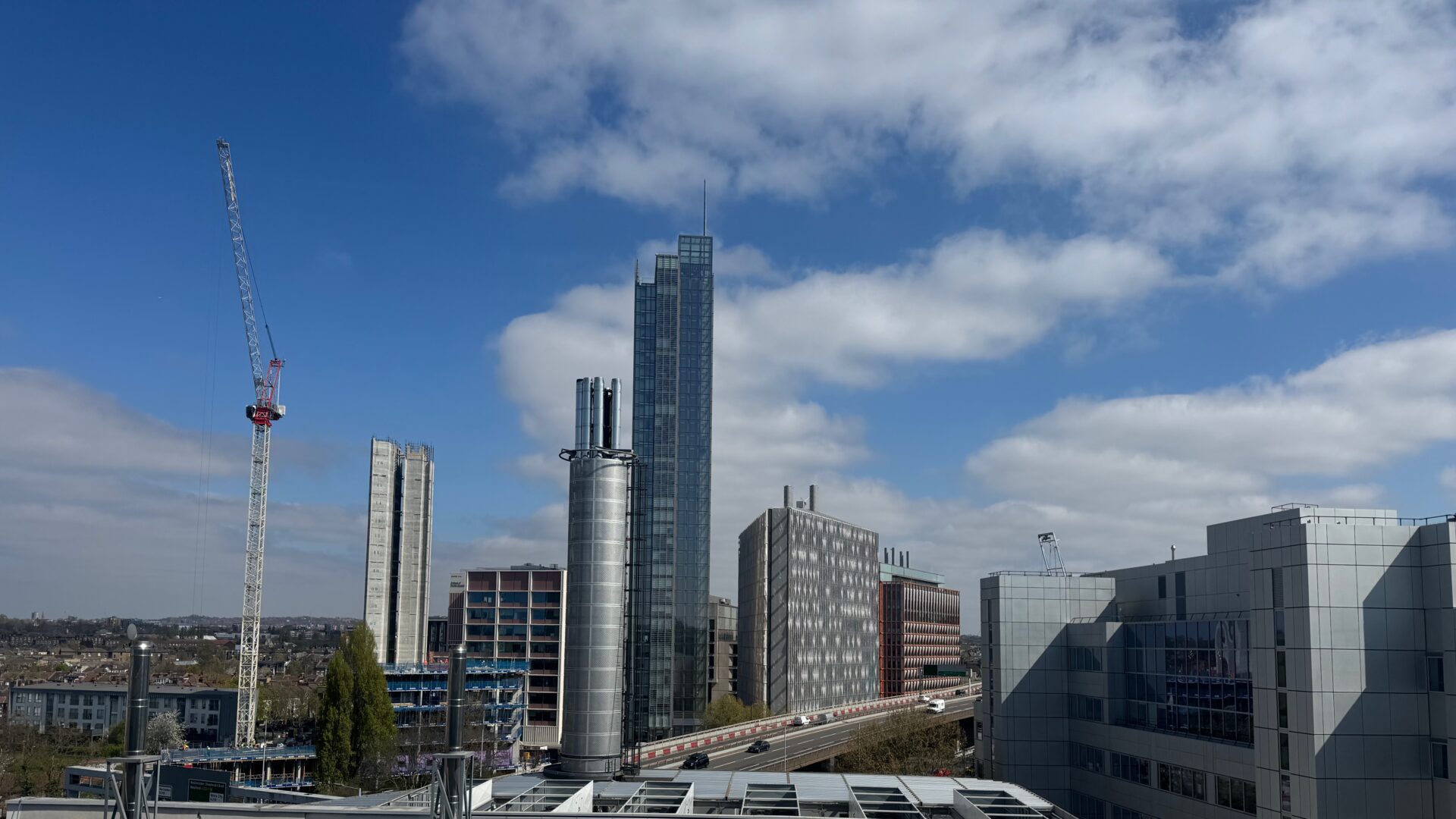
The modern skyline of White City in London
Quantified Self
This week: Stand 4/7; Exercise 3/7 and Move 3/7. (48%). Morning walks: 0/4 (days in the office don’t count). Office days 1/5. Total steps: 36,322
Life
When I asked my doctor if I should try to use my private medical, she didn’t hesitate to recommend it. I found out the process, but didn’t jump to use it.
Pub quiz week: Joint 7th sounds poor but is, in fact, excellent—like winning. Our musical round was a let-down, and I missed the obvious Boney M song in the mix.
The Technical Design Authority review meeting missed a crucial piece of data, resulting in many extra meetings and work this week (and probably next).
The weather has been decent this week. On Thursday, we were able to eat lunch while sitting on the balcony, looking at the high-rise buildings being constructed around White City.
Drinks with commercial colleagues at the Exmouth Arms near Euston on Thursday evening. It’s a little hidden away and turned out not to be as rammed as some pubs we had walked past. We secured some seats inside and, later, a booth. A very impressive list of beers is available, so I am not sure why I went for the Madri: I guess it is a known quantity.
On Saturday, we attempted to make Chinese dumplings: it was much harder than it seemed, although the handmade ones were better than those made with a plastic crimping tool.
Media
Friday, I was a bit tired and had an evening to myself. I’ve been rewatching episodes of The Blacklist. I am now at the point, towards the end of series 2, where I stopped watching when it was initially on Sky. All the episodes will be new to me from now on, but I am glad I rewatched them as I’d forgotten the backstory. I thought I’d settle in and watch a couple of episodes before I made dinner. Instead, I binged on eight episodes back-to-back, something I doubt I would ever have been able to do before streaming.
Enjoyed friends, food, nature and family despite feeling a bit ill.
Week commencing Monday, 31 March 2025
Canon Hill Common
Quantified Self
This week: Stand 2/7; Exercise 2/7 and Move 2/7. (29%). Morning walks: 0/4 (days in the office don’t count). Office days 1/5. Total steps: 30,482
Life
Dad chased a missing birthday gift for PY that was dropped at a local shop. No luck. We’ll keep chasing.
I wrote something that reflected on Facebook/Meta’s high standards for product success, which was really reminiscing about the Meta Portal, an excellent photo frame and calling device.
Workwise, I attended a lengthy work session discussing apprenticeships, which was more interesting than I imagined.
Wednesday, I caught up with US tariff predictions and ended the day feeling low about the news.
Thursday was Thirsty Thursday again: an evening out at The White Horse where we tried to chat with ChatGPT about our personas.
Friday, I woke feeling ill with a persistent cough, so I cancelled next week’s Blood Donor session, but managed to get through the day.
Saturday: I enjoyed a lazy morning despite feeling under the weather. I called Mum and Dad about their anniversary flowers and booked train tickets for an Easter break trip to Shrewsbury.
Annoyingly, I discovered that AudioBoom no longer publicly hosts some radio clips I wanted to listen to. It’s time to see if I can recover them from AWS.
Saturday night, met up with friends in Balham for oysters, sharing plates and garlic prawns.
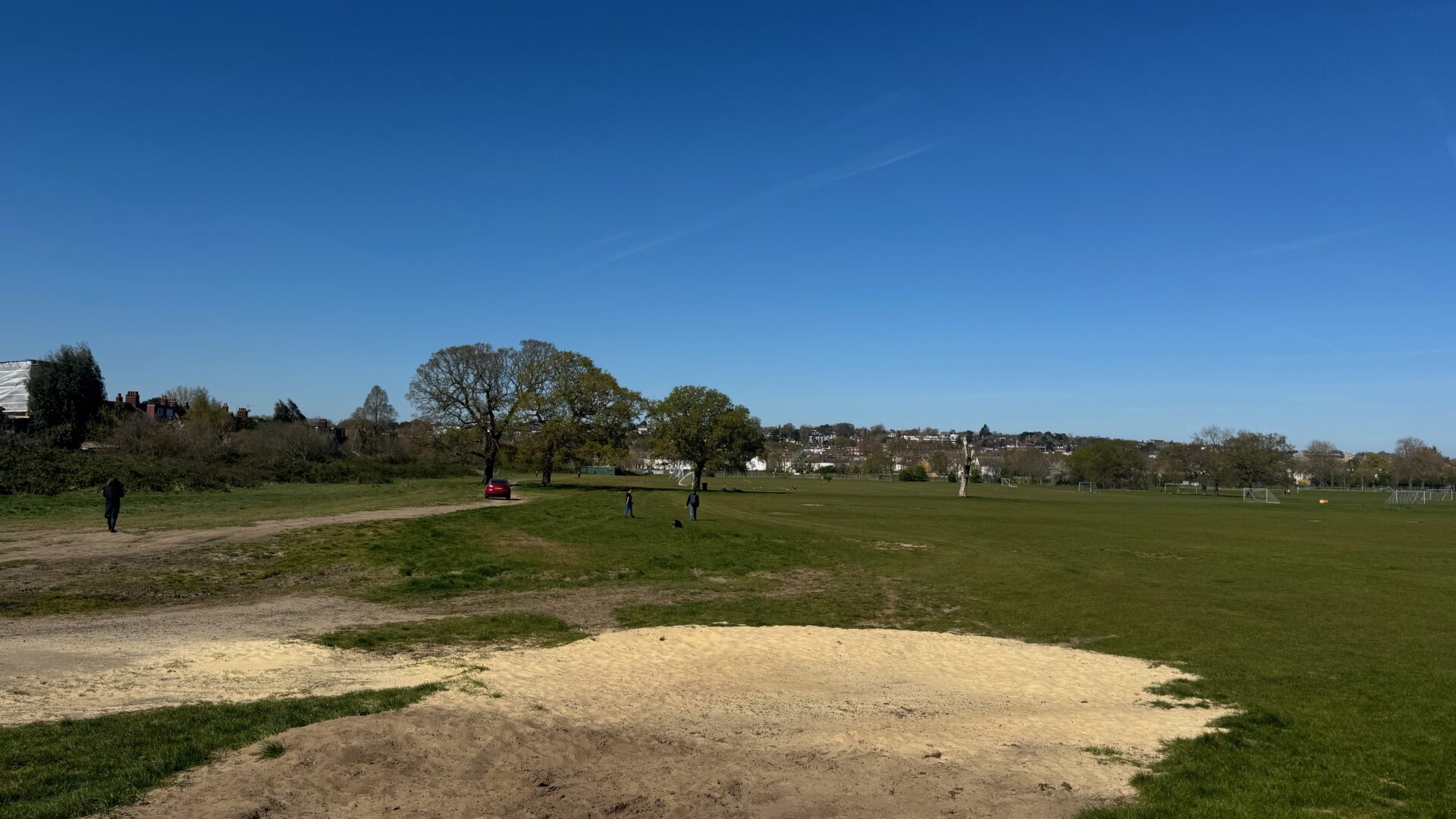
Took an afternoon walk on Cannon Hill Common, enjoying a moment watching local wildlife.
Facebook/Meta has always had a high bar for product success: when your potential audience is everybody in the world, products that seem successful to others are tiny to them. They’re not alone in that view; we used to joke that the Microsoft ad technology, shuttered while I worked on it, was a rounding error on a big Excel sheet somewhere, even though, by many standards, it made nice money. Big companies need a specific scale for their products to make working on them worthwhile. And, if the product is something you work on or value as a user, it’s always disappointing when you know it’s becoming obsolete and heading for the big technology graveyard.
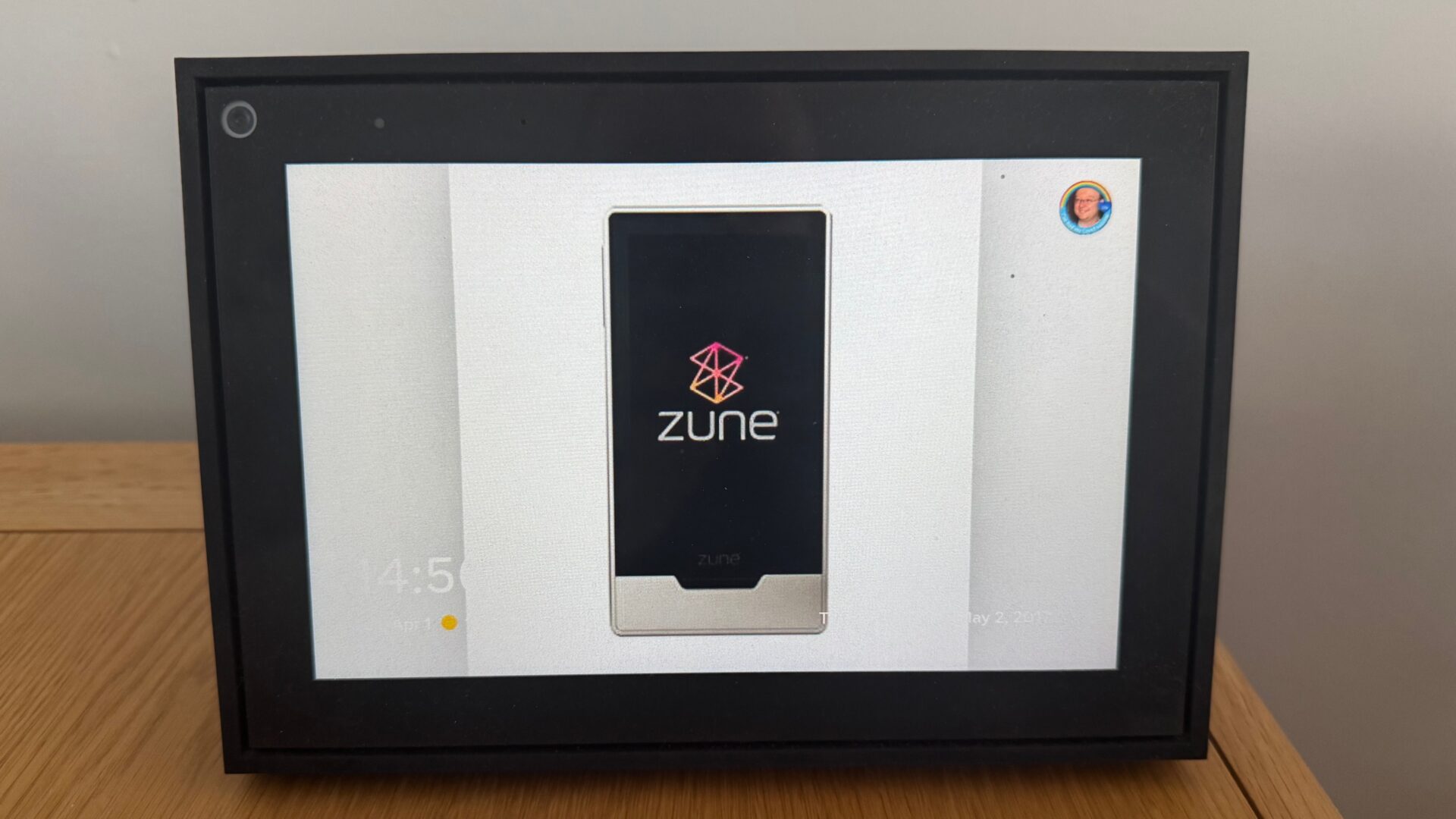
And so, here’s a picture of a Meta (nee Facebook) Portal, IMO the best thing Facebook produced. It’s a device from which you can make Messenger/WhatsApp video calls. Three sizes were produced: this is the smallest. At the start of the pandemic, I bought the larger one for my parents and this model for my brother and myself. In 2020, we sat and ate Christmas dinner with my Mum and Dad using the device, as rules prevented us from partying in person. When you activate it, it makes calling somebody simple: just press their social media avatar. At some point, support was added for Zoom and other video calling services.
I don’t know what they did, but the speaker’s also superb. There’s a portal app for Spotify, and it’s also a Bluetooth speaker. There are still times when one of us inadvertently connects to the Portal speaker instead of the Sonos devices in our living room, and I think the Portal fills the space with sound much better.
It’s also a fantastic digital picture frame. As it’s from Meta, it has access to my Facebook and Instagram photos. A mobile app allowed device-only albums to be created. It offered fine-grained controls for which pictures should be displayed. While my use of Facebook and Instagram might have waned, the photos they hold are still memories, and this device convinced me that a digital photo frame is the best way to surface memories. I hope the product team behind Apple’s – rumoured – home device understands that. The Portal made my photo memories accessible, and lots of friends who visited often commented on the pictures shown.
Now, a device with a microphone and a camera from Facebook, launched in 2018, sometime around the Cambridge Analytica scandal, had its work cut out to convince people it’s not illicitly listening or recording. The pandemic may or may not have given it a chance. I thought it was an excellent device for relatives who found video calling on phones or computers too complex. ‘Just press my face’ was a line I used on more than one occasion.
This morning, I went to my Portal app to add photos from last weekend’s trip to Paris. The app told me it had been discontinued since January. While I love my Portal, it is telling that it’s more than three months since I last used the mobile app to manage the device (although I should say, it’s one of the most stable pieces of technology in my house; I am not sure I’ve ever seen it crash or need an unexpected reboot).
So, the device’s days are numbered. Many companies would have just shut down the service altogether. Kudos to Meta for not doing that. The support page says,
We’ll continue to provide customer support for Meta Portal owners as usual until February 2032 … You can still use your Meta Portal to call family and friends until late 2031.
While that is disappointing, it does mean I could get ten years of use from it. And that’s more than a lot of technology.
(I’m amused that I managed to snap the picture just as the screen showed an image of another piece of long-gone dead technology: Microsoft’s Zune music player. I never had one, but I once posted a picture to Facebook, which is why it appears on the device).
Family, food, and Paris adventures made for a lovely week.
Week commencing Monday, 24 March 2025
Eiffel Tower in Paris at night
Quantified Self
This week: Stand 7/7; Exercise 2/7 and Move 6/7. (71%). Morning walks: 0/4 (days in the office don’t count). Office days 1/5. Total steps: 56907
Life
Monday, attended One Night in Bohemia, a Jonathan Larson tribute concert at the Phoenix Arts Club. An energised performance featuring a standout cast, raising funds for the National AIDS Trust.
Tuesday, saw My Neighbour Totoro at the Gillian Lynne Theatre. A visually imaginative and whimsical stage adaptation, great puppetry and creative direction.
Wednesday is a change of office day for me. I had a hectic commute, productive meetings, and evening plans cancelled. Dinner included an inventive fridge-clear-out pasta dish.
Thursday: I worked from home. It was a quiet day. Mum and Dad arrived. It was strange to communicate with people in the office on the day I would usually be there.
Related, a large vegetable chilli dinner was created.
Friday to Sunday, family trip to Paris. Travelled by Eurostar and stayed near the Arc de Triomphe. Enjoyed smooth connections, scenic views, and good food throughout.
Saturday, took in the sights on a hop-on hop-off bus tour, failed to wander along the Seine, and admired the Eiffel Tower at night during a river cruise.
Celebrated Mother’s Day with lunch on the Bustronome, a double-decker dining experience offering panoramic views of the city as we ate.
NHS visit, theatre, social outings, art, music, and musings.
Week commencing Monday, 17 March 2025
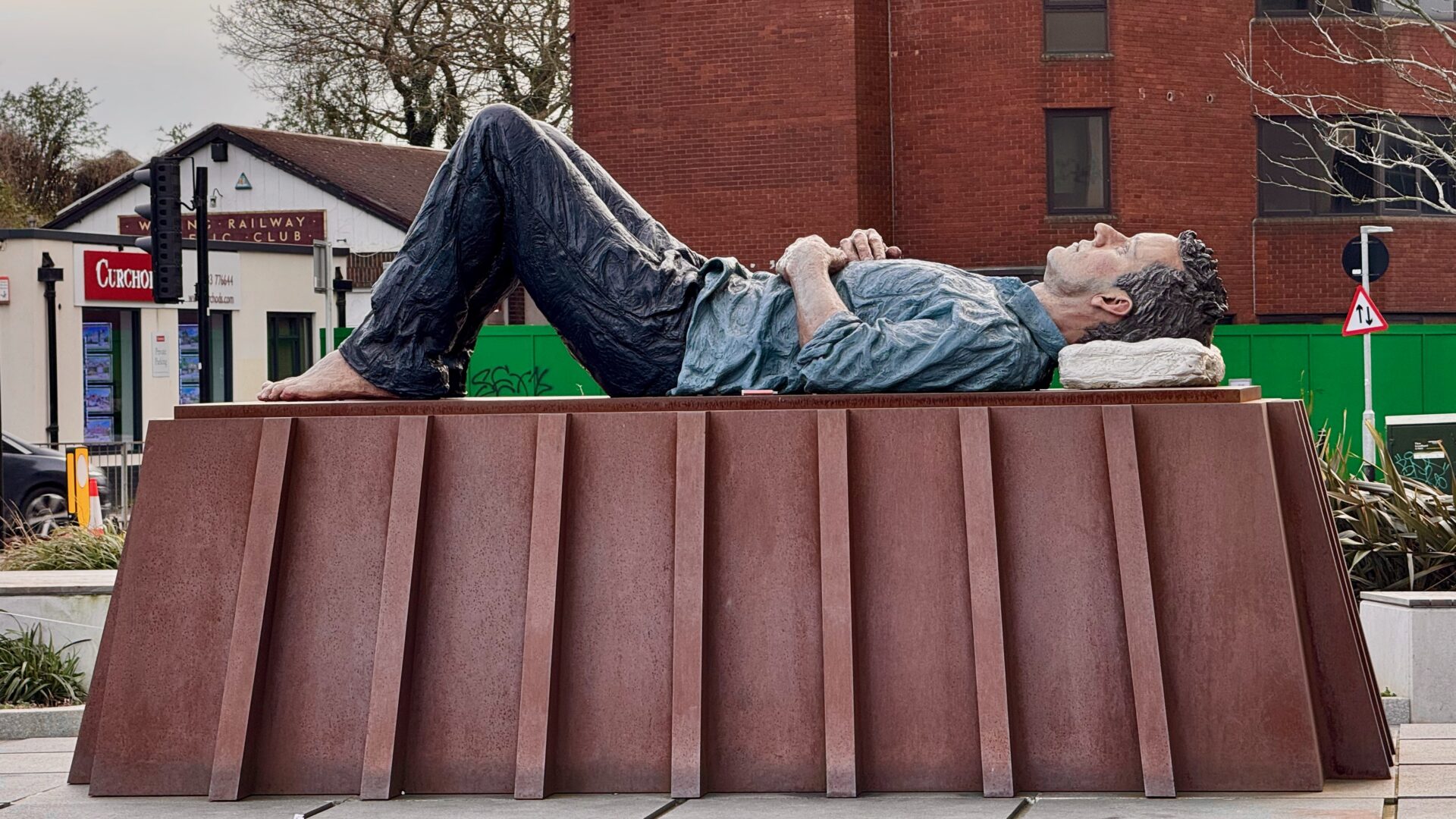
“Lying Down” by sculptor Sean Henry
Quantified Self
This week: Stand 6/7; Exercise 5/7 and Move 7/7. (86%). Morning walks: 0/4 (days in the office don’t count). Office days 1/5. Total steps: 56,671
Life
Another nice experience with the NHS. The doctor is very pleasant, which makes the visit less worrisome.
Tuesday’s view on the past: a last-minute decision to see Alterations at The National Theatre, a new staging of a 1978 play. Set entirely in the upstairs alterations shop, the characters rush to complete an order, keeping them close – with all that brings – for the duration. The playwright, Michael Abbensetts, was the first Black British writer to have a series commissioned by the BBC. Ambitious Walker, who runs the shop, is complex, driven, and ultimately not likeable. I don’t know how close to the original it is, but it didn’t feel dated. Are the issues of identity and the complexities of Black British life the same today as they were almost 50 years ago?
Related, there were many chatty bodies in the audience and people taking photos throughout the single act. I’m not sure if the photographer’s pictures were deleted, but the front-of-house staff were trying.
Thursday was a night out to say goodbye to one of our Polish team. Excellent company.
Friday’s view to the future: to a performance space near Bethnal Green for Séayoncé: The Oral-cle’s Prophesissy. The Venezuelan food eaten in the early evening was delicious.
On Saturday, I saw Sean Henry’s Lying Down. I also watched, via the doorbell camera, the carpenter install a new bit of the door without the need for anybody to be home.
I Can’t Dance, Against All Odds, Invisible Touch, One More Night, Easy Lover, Sussudio and In The Air Tonight – a Sunday evening of Genesis and Phil Collins at The Crazy Coqs.