London walks, birthday surprises, and AI made a memorable week
Week commencing Monday, 10 March 2025
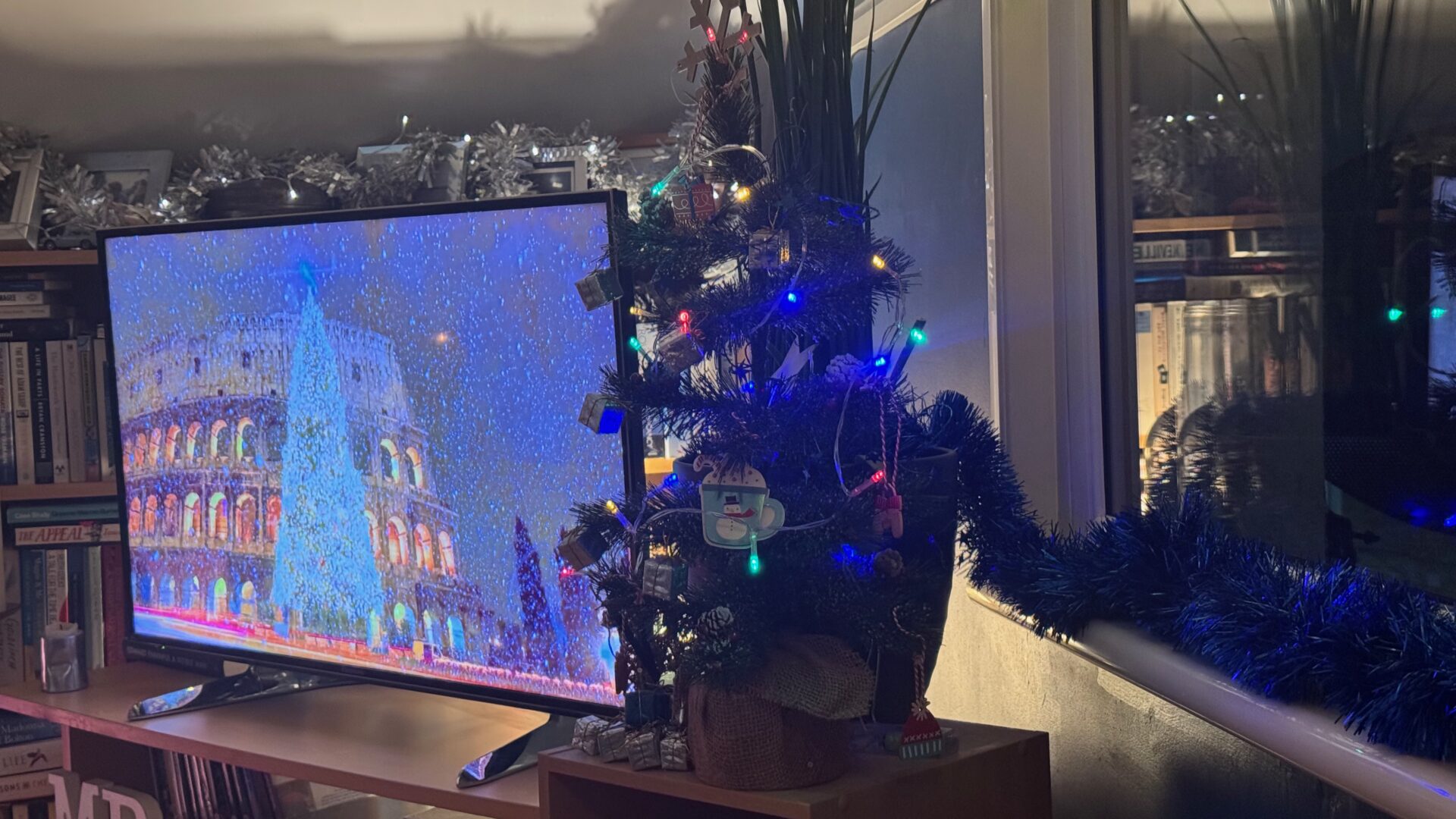
The World of Tim Burton
Quantified Self
This week: Stand 5/7; Exercise 4/7 and Move 4/7. (62%). Morning walks: 0/4 (days in the office don’t count). Office days 1/5 Total steps: 44,027
Life
I am often asked to produce my passport or my driving licence to use as identity, but I have not needed my birth certificate for a long time. Thankfully, I found it.
I asked Google Gemini to clean up a meeting transcript. It turned a forty-minute meeting into a ten-minute passage and then read it to me. That would have been a great time-saver if I hadn’t had to hear the entire meeting.
Related: nice though it was, I am glad I heard the original meeting because that allowed me to spot where Gemini had got it wrong. Unsurprisingly, people trust AI a little too much: Would a computer really go on the internet and lie? Well, yes.
Thursday, to the office and met a former colleague in a lovely pub near St Paul’s Cathedral. I walked streets I’d never ventured down before. There are some interesting places in London.
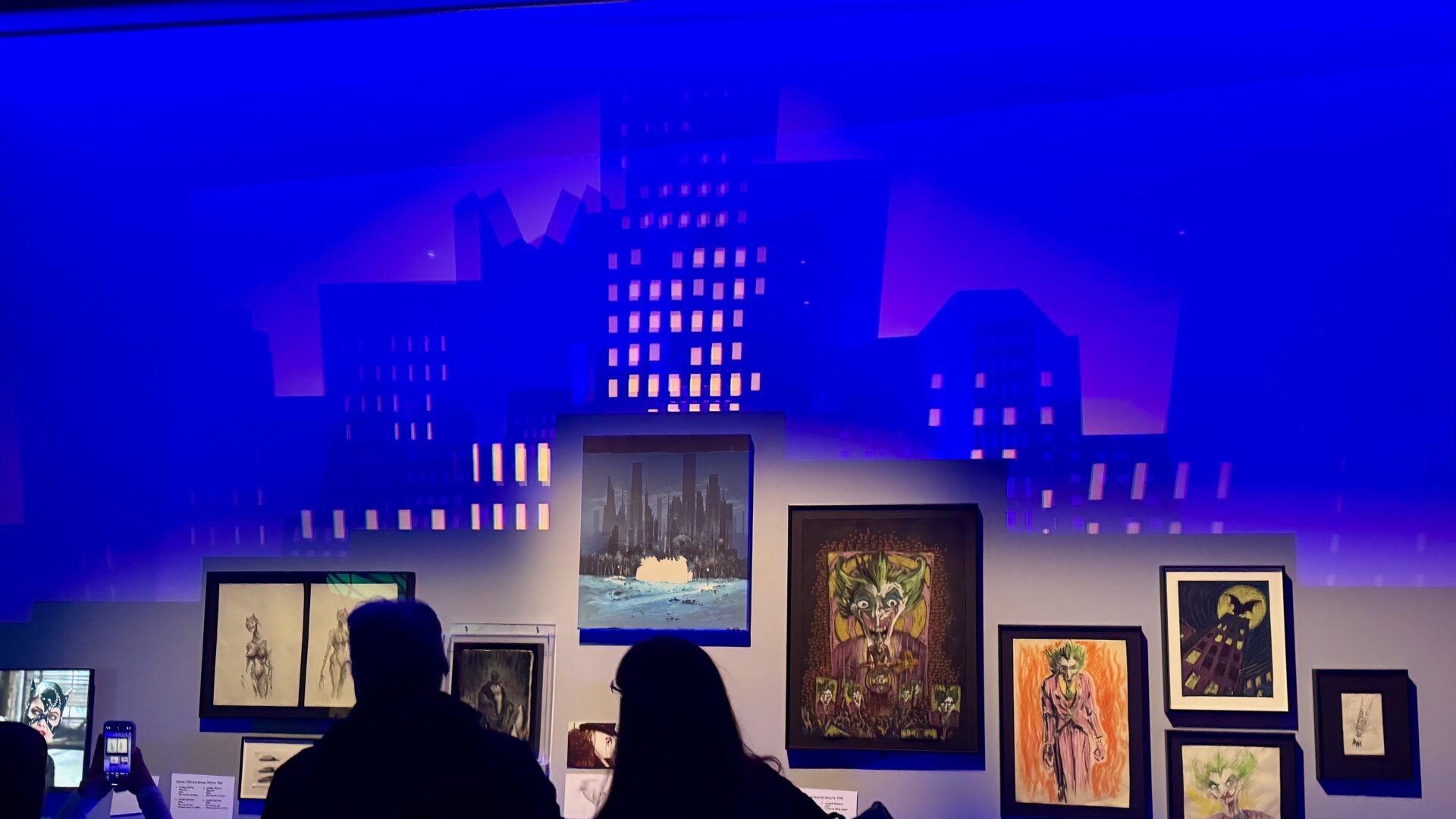
On Saturday, for PY’s birthday, we saw The World of Tim Burton at London’s Design Museum. It was very busy, but it was really interesting to see the evolution of the Tim Burton look. Lots of films were covered in a small space, so the exhibition was very much focused on how the look evolved rather than on any particular show. Of course, I loved The Nightmare Before Christmas parts.
Related, the themed afternoon tea, rooftop cocktail bar with a view of St Paul’s Cathedral, and Argentinian steak dinner were all surprises. My timings all worked out, even with a delay on the Circle Line.
Friends of Sunday Lunch, PY has planned individual beef Wellingtons. After the Argentinian, that was a lot of steak in one weekend.
We completed watching Prime Target. I’m glad we stuck with it. I don’t think many of the characters were nice enough to root for, but it was very enjoyable.
I want to stay informed but don’t want to give my days over to the endless vibration of not-news.
There’s always news. Arguably, everything is news all the time. Right now, it feels like the world is changing by the second because some people in the news are pretty loud, and everybody has an opinion. Should I check my phone for the ‘breaking news’ alert?
Back in 2013, in response to an online discussion, I opined that the generally accepted definition of news was changing from something an editor in a far-off city decided and placed in a newspaper, radio or television bulletin for us to consume to something each of us curates for ourselves using tools the internet has made readily available. I asked,
If I’ve opted to prioritise Formula 1 news or tech stories from Silicon Valley over today’s political posturing over the ECHR (which is front page on the newspaper next to me) then I’ve made a decision that’s no different from the editor that decided to pop that story in the paper. Isn’t Facebook’s timeline just news from my ‘community’ (which is what the news was for most people prior to rise of the mass national press in the late 1700s)? // source
I stand by what I wrote more than ten years ago. I still don’t know why the – relatively recent (in human terms) – phenomenon of an editor is more important than our community. But, in recent years, I have found myself avoiding news altogether: both the views from far-off editors and my curated view. This is where I may concede that social media, as a news service, might be to blame.
The other day, I read How Much Do I Really Need to Know? and it really resonated with me. The news is exhausting. Not just a bit soul-destroying but draining.
When I was younger, the news came on television after The Magic Roundabout at about 5:40 p.m. It lasted twenty minutes on BBC1. John Craven had told me about the world on Newsround an hour earlier, but that was for little kids. There was a lunchtime bulletin, and, of course, adults could watch the Nine O’Clock News. Somewhere in the mix were Look North West and Nationwide. A little later, a revamped Six O’Clock News was launched with snazzy computer graphics, where Nicholas Witchell would end up sitting on some lesbians protesting Section 28, but the new time didn’t give us more news; it was so that we could have Neighbours and then Wogan or EastEnders.
The news was contained; you knew when you’d get told what had happened today, and that’s how it was digested. You waited, and a well-spoken newsreader, who most of the time wasn’t sitting on a protestor, told you what had taken place during the day and provided a little analysis. There wasn’t a studio argument on every topic, and if you missed it, then you waited until the next scheduled bulletin or turned on the radio for the three-minute catch-up.
American radio has had all-news radio almost since the medium’s invention. According to Wikipedia, 1010 WINS is the oldest continuously operating all-news station in the United States, reporting to New York since 1965. In the UK, LBC, the country’s first legal, commercial radio station, was news-based from its opening words in 1973, but the news talk format included many phone-ins. Those early years didn’t quite count.
But then came CNN, and the concept of rolling news arrived worldwide. When I started work, I was often on shift through the night. I used CNN and Sky News as company while alone in the building. Overnight, Sky News had half an hour of locally produced content and, from half-past, thirty minutes of something from America, usually CBS News. It was on all night. So much of it was prerecorded that, come morning, I pretty much knew the overnight scripts off by heart. Not quite continually breaking stories.
Of course, we’d had all-night election coverage for a few years, but my first true appreciation of rolling news was during the first Gulf War. Radio 4 adopted an all-news format, and Radio 1 ran with the line, “When news breaks out, we break in”. It was exciting. On 31 August 1997, I was up very late trying to write copy for some web pages when the programme I had on in the background was interrupted to say that Diana, Princess of Wales, had been injured in a car crash in Paris. It was a late Saturday night, and gradually the channels moved to rolling news. That signalled it was an important story. I flicked between Sky News, CNN, BBC 1, ITV and whatever else was available on the analogue Sky satellite service. But I didn’t stay awake all night, and the news was more sombre in the morning.
Rolling news seemed groundbreaking, exciting, and futuristic. It did not yet seem vapid, vacuous, and bland. We hadn’t yet noticed that the airtime was filled with speculative nonsense. It more or less stayed this way for twenty years until the internet became a source of news, and every publication started to compete to be the first to tell you something. And, when mobile social media was added, everybody was a reporter—or at least had an opinion—and they shared it continually via a device that we all carry with us constantly.
Now, news is information and entertainment combined. Its immediacy is more important than accuracy. A hot take is pushed out simply for attention or to score political or culture-war points on any and every topic. News outlets need your attention and click-bait you into scrolling.
I want to stay informed but don’t want to give my days over to the endless vibration of not-news. What we all need is an informed summary presented calmly, preferably by somebody like Sue Lawley, while Nicholas Witchell subdues a studio invasion. Then we can get on with the rest of our day.
This week: Stand 7/7; Exercise 4/7 and Move 4/7. (71%). Morning walks: 0/4 (days in the office don’t count). Office days 1/5. Total steps: 48,172
Life
I continued to feel unwell for much of the week. Wednesday, I tried to go to my Tai Chi class but my coughing fit on the train to Waterloo persuaded me it would be better to return home.
I did do Monday’s pub quiz. We were 4th. That might be the best placing for a long time.
Last week I mentioned that I managed to get a GP appointment on Monday. Not only did I do that, I got a walk-up x-ray appointment on the same day and there was nobody else waiting when I arrived. The NHS worked for me.
Oh, the excitement: the boiler was serviced. The engineer turned up at just the right moment between two meetings. And tested the carbon monoxide alarm, which, I think, is the first time I’ve ever heard the noise it makes.
I did go to the office on Thursday. Lots of meetings about the next phase of work. Nothing concrete yet, but progress is being made.
Thursday evening to The Island. A smaller boat than usual on the crossing to Ryde, which meant the 8:20pm sailing felt very busy.
Related, we turned-up early for the return voyage on Sunday, and made it on to the boat but it was full.
On Friday, I succeeded and presenting my ID to the solicitors and failed to get the carpenter to remove the box surrounding the electricity meter.
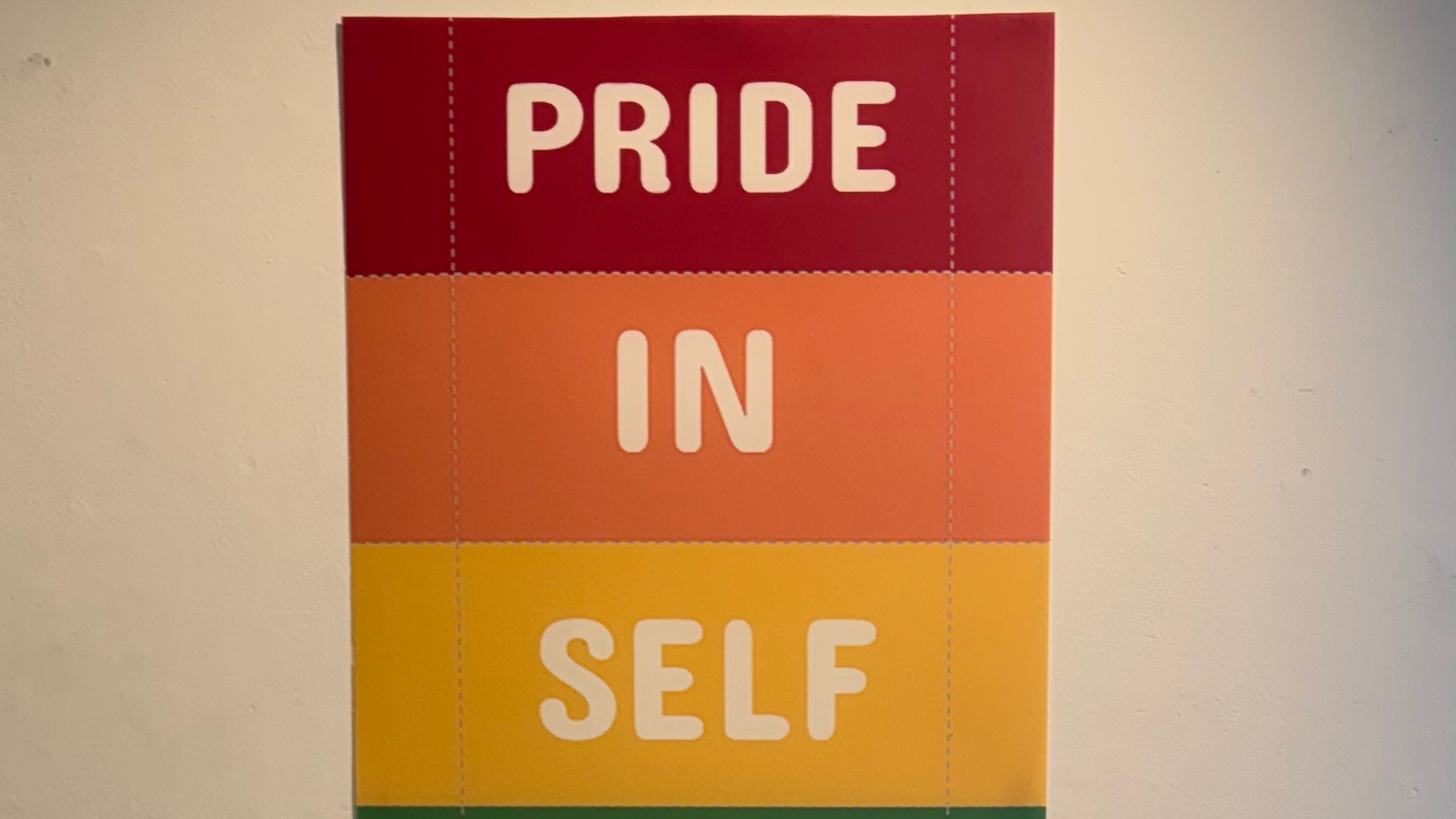
Saturday, to Newport to see Out on an Island: Pride In Self, Pride In Place, an exhibition to celebrate 20 years of LGBT History Month in the UK. Fascinating. We ended up buying the book (and the lunch at Quay Arts was good too)
Sunday, to Hedge End and Sunday lunch with T. The pub he found was excellent and the portions superb.
Media
The concluding episode of the new Bergerac was good. I didn’t see it all coming together until the end, which I think is the mark of a good detective series.
We’re sticking with Prime Target on Apple TV, even though Edward belief in the maths in spite of all that is going on around him, is annoying.
So, let’s think about something less important: if you use GitHub’s standard of minima for GitHub Pages, and you want to adjust some of the layout, then layout: default just may be what you’re looking for and not later versions which specify base.
Weblog was the answer to a question on this week’s Mastermind. I’m glad it wasn’t the only one I knew.
Thursday, after work, I decided to go home rather than go for drinks. I thought I was just feeling grumpy; turns out I was getting a three-day cold.
Related, my GP has appointments for next week on the app when I decided to talk to somebody about it.
It didn’t stop me going for lunch at Rovi on Saturday with family. Good food and very friendly staff. I was glad, however, when I got home for rest.
After the show, all the pubs around were busy, so we went to The American Bar and spent too much on two drinks each.
Media
In my two-day man-flu state, I powered through the last few episodes in Series 1 of The Blacklist. Thoroughly enjoying the nonsense.
I never watched John Nettles as Jim Bergerac in the 80s TV series. This week, we just started watching Damien Molony playing the same role in the revival on the streaming service that’s bizarrely called U. We’re hooked enough to finish it next week.
A week filled with reflection, culture, media, and curiosity.
Week commencing Monday, 17 February 2025
Illuminated.
Quantified Self
This week: Stand 6/7; Exercise 4/7 and Move 5/7. (71%). Morning walks: 0/3 (days in the office don’t count). Office days 2/5. Total steps: 53,600
Life
It’s been a year since I decided to remove trackers and other logging from this website. It’s not big enough for me to worry about the stats. I wanted to check nothing had crept in. Still not tracking you.
Two days in the office this week. It’s happening more and more but not enough to become a trend. It was nice in the office; the commute home remains frustrating. A minor issue with our software on Wednesday evening kept me later than I intended. We had a Chinese takeaway rather than a Tai Chi lesson.
Apple removed their most secure privacy capability from the UK. Nice explanation from Ian Betteridge. This is not a good look for our government, but I suspect there just aren’t enough people who think it’s important to make enough noise to change their stance.
Friday was an evening of dance seeing Birdboy at Sadler’s Wells East: It’s a lot less ‘dancy’ than I imagined, but the physical contortions and movement are mesmerising. The soundscape ranges from birdsong, through the child’s voice talking about life, to a fast-paced montage of sound snippets of the world: David Attenborough nature shows, weather forecasts, and music. Later, I saw it described as “dark and shadowy”, but I didn’t experience that at all; it was wonderful.
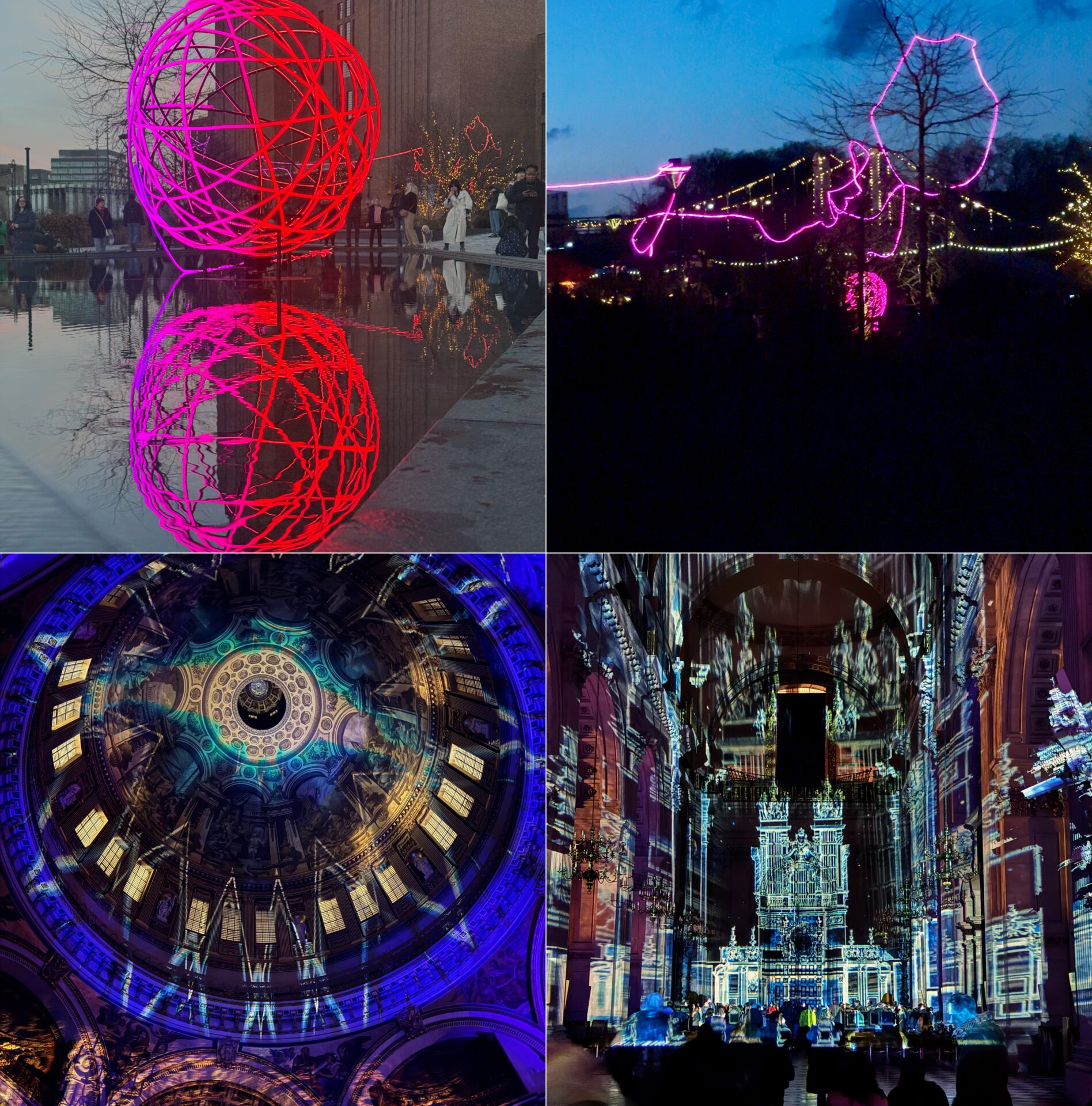
Saturday was the final night of Battersea Power Station’s Light Festival 2025. My favourite was the first installation we encountered, Spin Me a Yarn by Studio Vertigo: the pink neon worked well in the twilight and, later, after it got appropriately dark.
Related: on the way back, I bought two coffees and two cakes from Black Sheep, totalling £15, which I thought was a bit much given we had to order via screen and there was almost no interaction.
St Paul’s Cathedral is currently running a sound and light show, Luminous, which we saw on Sunday evening. It’s very impressive.
When he was inaugurated, the President of the Twelve United English Colonies of North America decided to rename the Gulf between the US and Mexico. Most of the world, like Hillary, chuckled. This week, the providers of the maps most of us use daily—the big American tech giants—updated their maps. Gruber wrote a long thing about what places are called. But the map on my phone now says Gulf of Mexico (Gulf of America). We don’t all have to subscribe to this nonsense, so I tried to find out how this is done, because you’d imagine the British, with their history of colonisation, might have something to say about it. Turns out, I can’t find much. Let me know if there’s an organisation I haven’t consulted.
First stop: Great Britain’s national mapping service—you’d think Ordnance Survey might do official naming for the UK? Nope. It does maintain a Geographic Database, but that’s only for Great Britain. It contains over half a billion features, all in the UK.
Ah, second stop: the UK government’s Permanent Committee on Geographical Names. Quite a bit to say on English conventional names—recognised English-language forms of foreign geographical names, such as Moscow, Cologne or Rome. It has a nice list of country names, which comes close to saying this is how the UK sees the world. But I can’t find anything about the seas.
Official Government advice seems to suggest that, for the names of places and features worldwide, I should consult the United States Board on Geographic Names. And that’s returning the new name. So, is that what we should call it now from here?
Media
Stylish, absurd yet entertaining: we started watching Prime Target on Apple TV+—a brilliant Cambridge mathematician becomes a target for shadowy forces. A fun way to spend an evening.
I’ve been rewatching The Blacklist from the beginning. Still on series 1 and still enjoying James Spader. There are maybe too many crime thrillers on my watch list, this one featuring a lot of high-stakes deception on all sides.
A week of great food, entertainment, and cultural experiences.
Week commencing Monday, 10 February 2025
Seeing Kyoto
Quantified Self
This week: Stand 5/7; Exercise 5/7 and Move 14/7. (66%). Morning walks: 0/4 (days in the office don’t count). Office days 1/5. Total steps: 50,828
Life
It was pub quiz again. One of the rounds was really tough for us, but it turned out that it was tough for everybody. Mid-table seems to be our position.
Food that was batch-cooked last Sunday lasted the week. And it was very useful. Also, tasty.
We had an impromptu dinner at Mora Meza on Thursday night, and it was delicious.
If I wrote that we went to see a play that dramatises the 1997 climate change treaty negotiations in Kyoto, it would sound a bit dry. If I added that a big scene featured arguments over the placement of a comma, you might think to avoid it. In fact, the high stakes of the event – and the politics for the ten years leading up to the Kyoto summit – were gripping. A fantastic piece of theatre at Sohoplace.
Our Valentine’s dinner was post-theatre. The later hour meant we were the only ones in the restaurant. They were packing up around us. The food was delicious, but the ambience was – perhaps – not so romantic.
Saturday, to see Bridget Jones: Mad About The Boy at the Odeon in Streatham (£7 seems like a bargain ticket). I’m not sure I’ve seen any of the movies since the original. It’s always best to have low expectations because I came out having thoroughly enjoyed it. Bridget is now a single mother and navigating life once again looking for love, but older, if not wiser. Surrounded by the consistent group of friends (including Hugh Grant, Sally Phillips and Emma Thompson) that helped make previous films. No spoilers, but is Roxster even a name?
Relatedly, related. I never read film reviews until after I have seen the movie and have my own opinion. But I love how The Guardian’s website can simultaneously have a poor review (2 stars, Peter Bradshaw) and a much more positive one (4 stars, Wendy Ide). I am not sure who that’s trying to help. My review: engaging, funny and not as clichéd as imagined. Probably 4 stars.
We saw Patti LuPone at the Coliseum on Sunday night. As PY quipped, Old Compton Street must have been deserted. The show is just Patti and two on-stage musicians. It had ballads and musical showstoppers, and the music spans her life, woven into her story. I think it was supposed to appear unscripted, but it was a bit too slick into and out of songs to be anything other than pre-written. There was a lack of personal showbiz anecdotes and not much spontaneity, but it was a wonderful evening of song. Did we just see an icon of stage? I think we did.
Media
More crime drama. This week it was the turn of Netflix’s Swedish drama, “The Åre Murders”. I was expecting subtitles but got the dubbed version. It was only on episode 4 I realised I could have the original Swedish audio; by then, I opted not to. It’s good, but the underlying reason for the show – detective Hanna Ahlander retreats to Åre after facing suspension in Stockholm – is somewhat glossed over. Be prepared for a lot of snow.
While watching another video about Dutch transit, I discovered a new word for the bricks used in road building. Technically, it’s a Dutch word: klinkers. See also this video.
Jon Stewart & John Oliver Welcome America to Its Trump Monarchy Era went on a bit. The monarchy bit was funny.
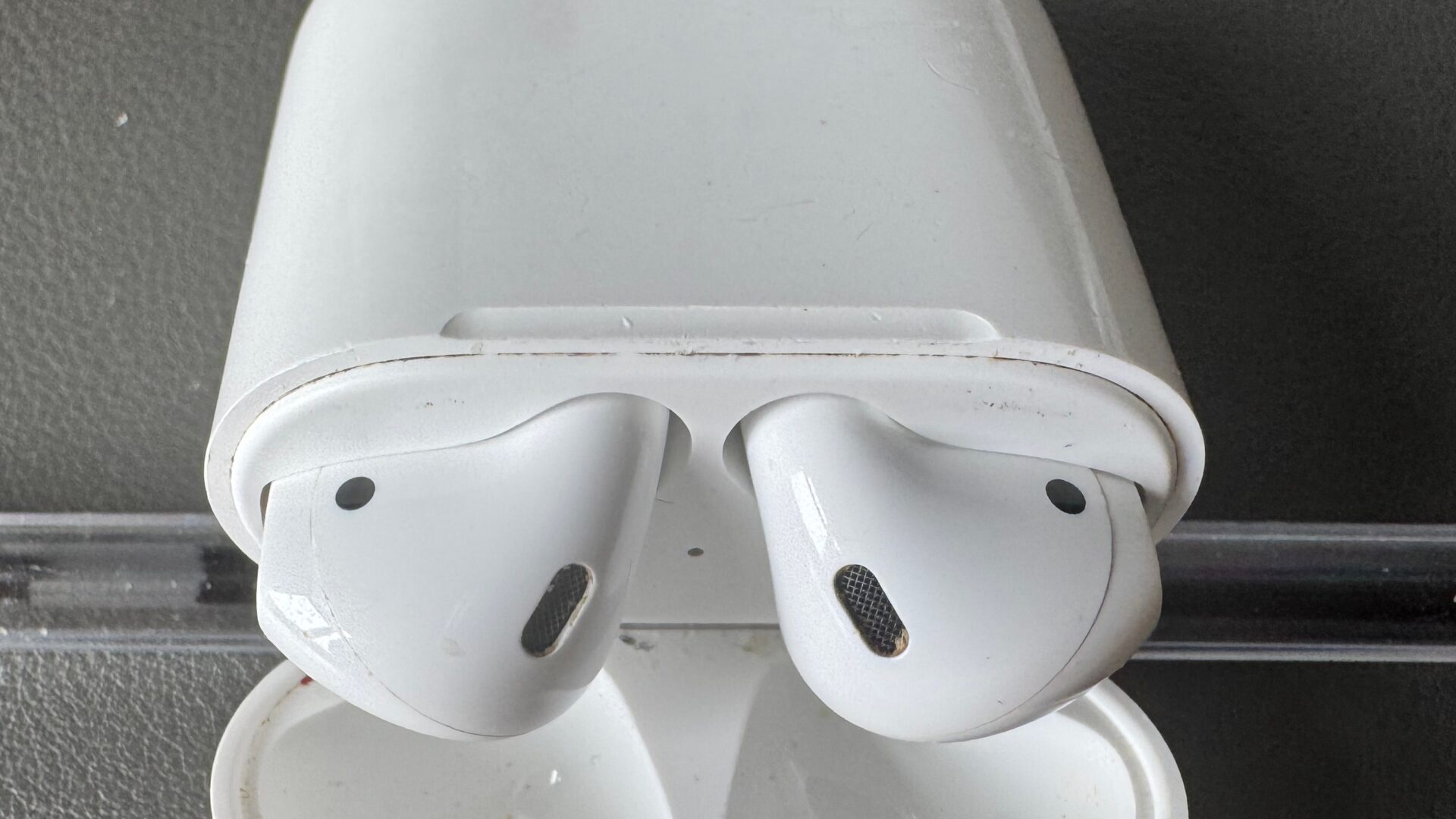
Struggling to let go of ageing AirPods despite their limited lifespan.
Old EarPods
We have a box upstairs for storing broken electronics, so we can take them to a recycling centre at some point. It doesn’t have much in it at the moment: there’s a security camera that the manufacturers wouldn’t fix after around 15 months of service, and there’s the bedside lamp I broke (that got replaced). When there are a few more things, it will be worth making the arrangements for them to be properly disposed of.
We also have a collection of electronics like these AirPods. They are not broken and are still usable, but they are past their sensible, useful life. These headphones have batteries, and like all batteries, they have a limited lifespan. I’ve seen reports suggesting that these should last two to three years.
I bought these AirPods from the Apple SoHo store on a work trip to New York in February 2018. I was on my way back to my hotel from the office and had, yet again, left a pair of wired headphones somewhere (they eventually resurfaced in my suitcase). I decided to invest in a pair of (what were, at the time) relatively new in-ear devices. I remember some of this because it was snowing in New York, and the streets still had a dusting of snow, and I thought it was exciting to be in the Big Apple in the snow. I guess the SoHo branch was nearest my hotel because I recall checking to see if it would still be open on my walk back. I paid $159 (plus $14.11 in sales tax). It was pretty pricey, really, but I was getting all my travel and meals paid for on the trip, so I imagine I felt I’d put my usual expense money into something. I immediately liked them, especially once I’d got over the feeling they’d fall out of my ears (they rarely did), but I probably didn’t use them very often for the first few years.
By February 2022, they should have been beyond their quoted life. But the left pod was fine: it held a charge for a useful time. The right-hand pod had all but died. I complained to Apple (because I felt they should have degraded on a similar timeframe), who eventually sold me a replacement right pod for some ridiculous sum that, in hindsight, I shouldn’t have paid. I should have gone back to the wired set. But it meant the lifespan was extended for about another year. Then, the left pod refused to hold a charge for a usable period.
To me, a usable time is an hour minimum, but practically, it should be closer to ninety minutes. That’s time in the gym or a commute. And that’s a minimum as the battery fades. I want them to last hours and hours for the majority of their life. They are a pretty useless pair of headphones if they need charging more often than that. I guessed Apple wouldn’t send me another single pod, and, anyway, I felt the money I’d already paid for the replacement wasn’t good value. Instead, I replaced the entire set.
Yet, these sit on my desk all day long. I look at them. Occasionally, if there is excessive noise outside, I will use them on a short work call. But they are otherwise useless. As I write this, I am charging the case, which seems to have been fine since 2018 but is low on charge right now.
These AirPods should be going to an electronics recycling box, but I can’t quite bring myself to part with something that retains some usability. I feel guilty about the waste. But everything has a battery these days, which means many things are disposable. I know the replacement headphones are better (I love the noise-cancelling features when I am commuting), but I can’t help but feel that $173.11 should get me more than a three-year rental period.
A week of discoveries, good food, and reflections.
Week commencing Monday, 3 February 2025
A winter scene at RHS Wisley
Quantified Self
This week: Stand 5/7; Exercise 3/7 and Move 4/7. (57%). Morning walks: 0/4 (days in the office don’t count). Office days 1/5. Total steps: 46,616
Life
To prove that I am nothing if not a mass of contradictions. After last week’s dive into, perhaps, useful AI, this: “The LAST thing we needed was a better way to generate plausible-looking horse shit for random gullible people to consume unwittingly, but here we are, and it’s only going to get worse.”Rachel By The Bay is also spot on. What a world.
Relatedly related. It was announced that Google’s Gemini assistant is being enabled at work. That would allow me to add material to the notebook service I talked about last week. I am not expecting hitherto unnoticed insights. Yet.
Thursday was too cold to sit out for drinks for our usual Thirst Thursday, so we moved to Mildreds, where I continued my rule of not ordering anything “chick+n” but broke my rule of avoiding tofu. The kimchi bokkeumbap, which contained salt and pepper tofu, was delicious.
Saturday, to the RHS gardens at Wisley. The Orchid House had colour, and there were snowdrops in bloom. I bet it’s even more impressive in summer.
Sunday to a crowded Ikea to buy a light. And then a tram and bus to Lower Morden Garden Centre, where we bought some new plants. To avoid carrying it, potting compost was ordered from Amazon for delivery tomorrow.
Note to future self: parsnip gnocchi was a lot of work, but delicious.
AI experiments, personal reflections, life updates, and intriguing challenges explored.
Week commencing Monday, 27 January 2025
A sea view at Seaview
Quantified Self
This week: Stand 7/7; Exercise 6/7 and Move 5/7. (86%). Morning walks: 0/4 (days in the office don’t count). Office days 1/5. Total steps: 58,567
The weeknotes are a bit different this week as I spent some time reading and playing with a number of AI tools, specifically using my own material—like these weeknotes—to see what the models might do with them.
Unrelated, I am experimenting with Google’s Notebook LM, using last year’s weeknotes and a collection of old blog entries from 2002/3. Even though the app says my data is not used to train the AI, I figured it’s public anyway. This is where the real power of AI will come to most people: when it can be used on their own data.
– I asked for a cast of characters, which came out OK, but I guess it’s a surprise for people I know IRL called Frank who the AI assumes are the subject of a drag musical. For clarity, they are not the same.
– Related, the AI says my weeknotes highlight “a lifestyle that values social connections, shared experiences, and cultural engagement”. I think that’s mainly because I don’t write about the hours I sit at my desk typing product requirements for work.
– I was pleased it said that the overall tone of the weeknotes is generally positive and reflective, but it’s missing so much information about me it made me think about how I am characterised online.
– In another task, the AI couldn’t distinguish between me and my father when writing about countries where I have worked.
In response to this, I asked ChatGPT if it knew who I was. It basically regurgitated materials I have online, which (I think) is good. Other AIs, including DeepSeek, didn’t come back with anything.
Google Notebook LM will produce what it calls an Audio Overview which, for me, was like somebody had created a podcast about my life as viewed through those blog entries. It was uncanny. And, yes, I think it’s very much like the fortune reader whereby much of the generic stuff sounds really personal but isn’t, but it was unnerving listening to a podcast about yourself; there was enough reality alongside the generic to make it seem like it knew more about me. It was capable of referencing cultural changes between the early 2000s and today, which made the analysis seem very real. A bit like listening to my own obituary. I can’t decide if I liked it or not.
There are a lot of interesting capabilities. I wonder how much longer before I decide to pay for access to more powerful models and tools?
Life
I am trying to arrange broadband for a place in Spain while not speaking Spanish nor understanding the format of many things. It’s more stress-inducing than I imagined.
On Wednesday, we passed into the Lunar New Year of the Wood Snake. At my Tai Chi class, we all wished each other a happy new year.
This week, I learned the government has a Hammersmith Bridge Taskforce. The taskforce met 16 times between 1st October 2020 and 25th November 2021. The bridge is still closed. Pretty terrible such vital infrastructure isn’t funded so it can be repaired.
Our first visit to the Isle of Wight for 2025. Delighted by how lovely it was.
A busy week of home updates, social events, and reflections.
Week commencing Monday, 20 January 2025
Taking pictures of lights
Quantified Self
This week: Stand 6/7; Exercise 4/7 and Move 5/7. (71%). Morning walks: 0/4 (days in the office don’t count). Office days 2/5. Total steps: 49,575
Life
Monday, a new fridge freezer was installed. Feels bigger but is the same size. Unlike the one that disappeared in the van, the fridge bit works as expected. Now, we can shop properly again.
Same day, I cracked and started doom-scrolling the news. Then I remembered, and I went back to being calm again.
We got another door quote. £4,000 cheaper than the last one. Then we got references because we’ve never used the second quote company. Came back good.
I had two office days this week. Tuesday ended with more leaving drinks for Andy. This time I made the train home.
Related, tired by the end of Wednesday meant I skipped my Tai Chi class. That’s a non-resolution broken.
Getting home after being in the office on Thursday, a day with no evening work social event, was nice. But I am reminded how short evenings are after I have commuted and opened the door.
I thought I might check up on my pension transfers. This is a blood pressure-raising moment as money has gone from one provider, but the new one says it’s waiting. They told me not to do it, but I did it anyway.
I am consolidating a number of providers with one of my existing ones. They sent a note to say it was going ahead because they’d detected the new provider wasn’t a scam. It’s the same company; good to know they consider themselves safe.
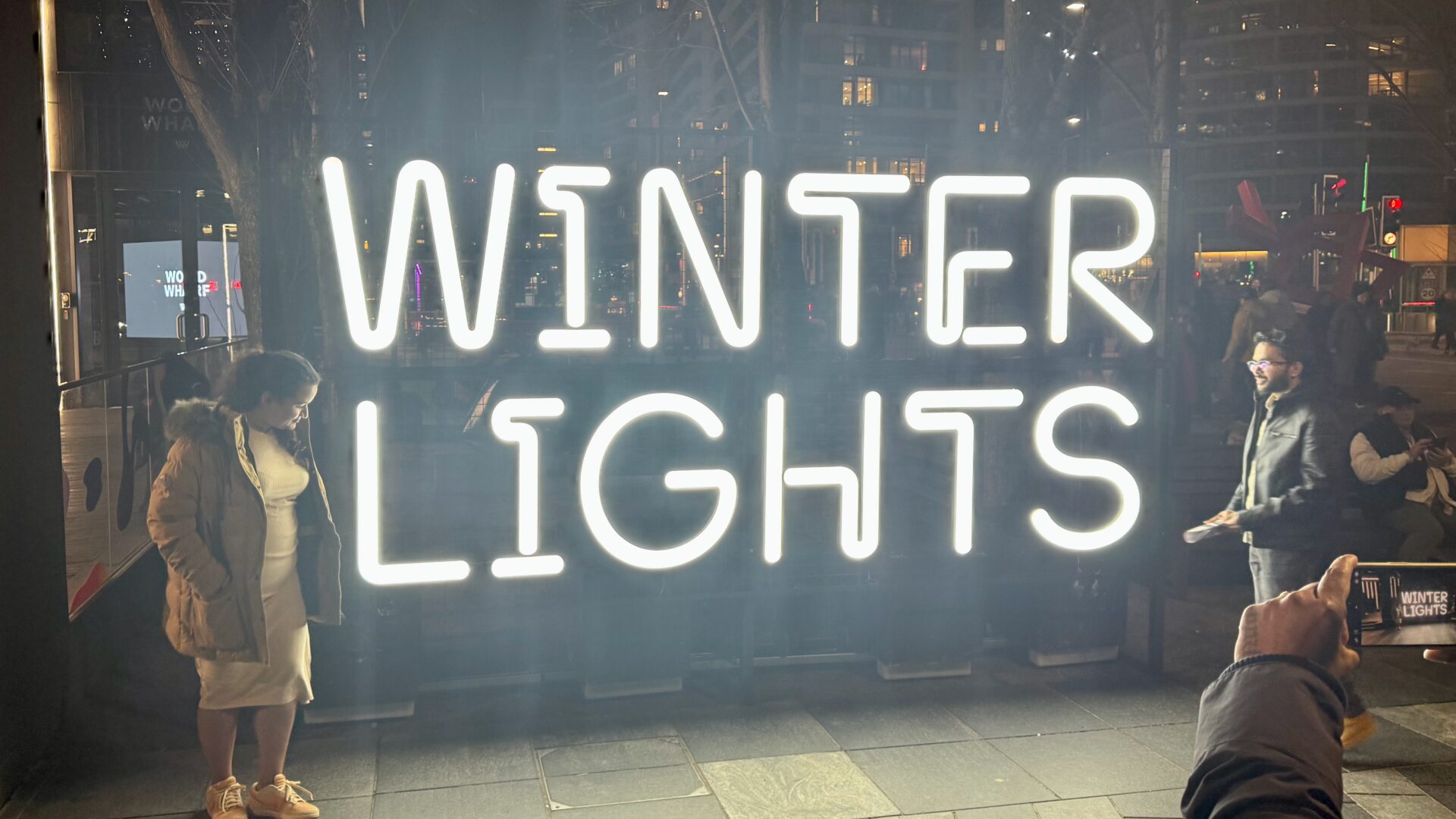
Winter Light at Canary Wharf is always interesting. But, goodness, a lot of people.
We made a Burns Night dinner and watched a related BBC Scotland show. It included whisky, and it didn’t give me indigestion.
A dinner for Chinese New Year in Covent Garden on Sunday evening. Lots of steamed dumplings.
This week: Stand 4/7; Exercise 4/7 and Move 4/7. (57%). Morning walks: 0/4 (days in the office don’t count). Office days 1/5. Total steps: 38,460
Life
Got the quote from one of the big London firms to fix the rotten wood around the door. I am not sure what else we can do with £5,000, but it won’t be this. I assume they don’t want the work. Alternatives are being searched for.
Pub quiz is back. It was great fun, as always. Most frustrated I could not remember Carl Douglas’ name (the singer of Kung Fu Fighting). Somewhere in the middle again!
Big corporate thing on Wednesday. I watched it remotely. It was very well done, but it took most of the afternoon.
Thursday to the office, followed by a leaving do. Fun evening that ended up in a pub where the karaoke accompaniment was a live guitarist. We watched. Nice to see MB over from Japan.
Related, a very jolly member of Shepherd’s Bush station staff told me I’d missed the last train. I don’t think the big smiles were due to my predicament. Uber to the rescue.
Relatedly related, talked football all the way home. Felt vaguely knowledgeable because the family WhatsApp keeps me up to date on events at Goodison Park.
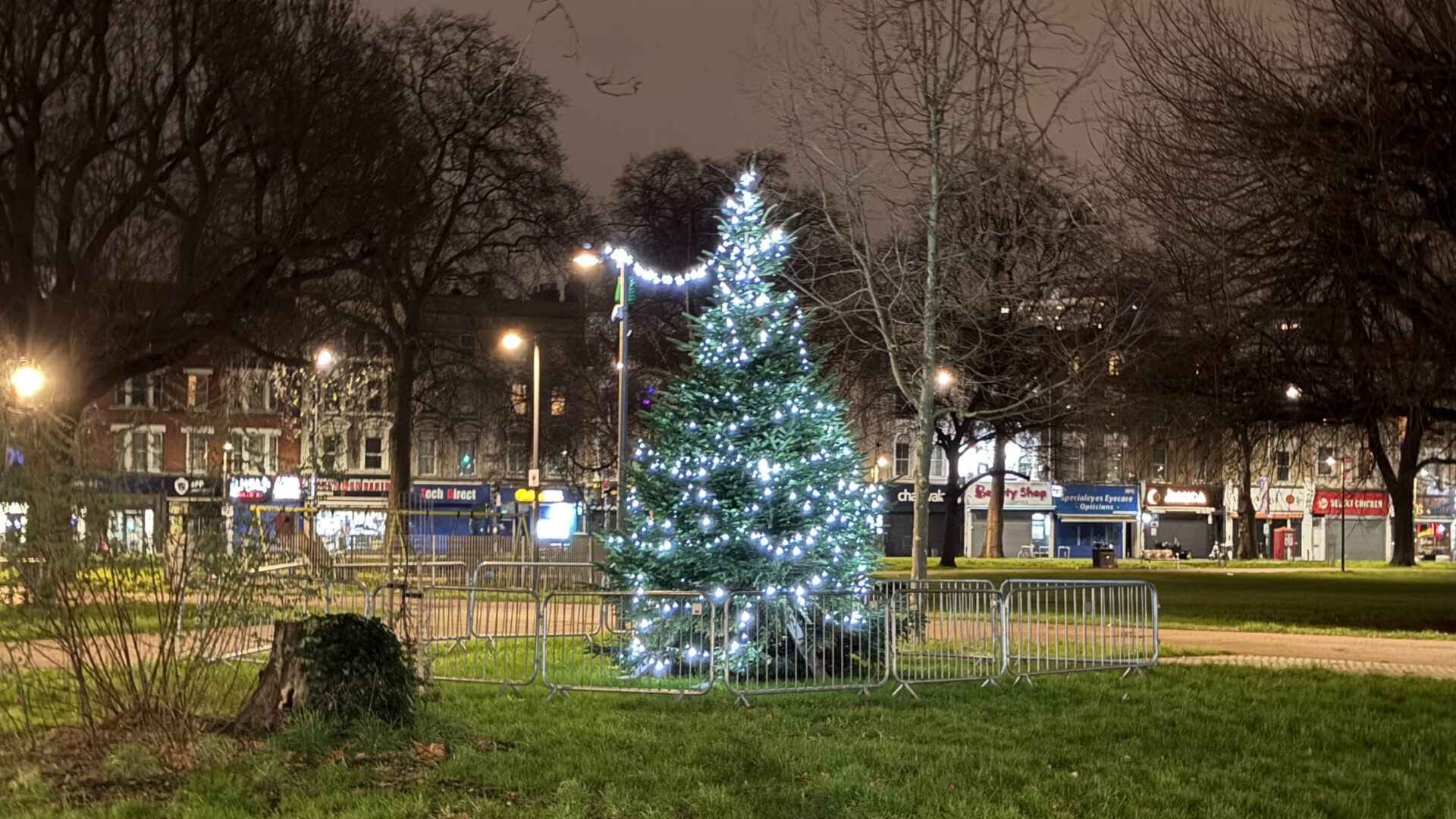
Relatedly, the Christmas tree is still up— and illuminated— in the middle of Shepherd’s Bush Green. Do they need to leave it up all year now?
A mainly quiet weekend, a decluttering of books went to charity. The weather has been terrible. Sunday, friends for dinner. A lovely afternoon.
Media
Watched the first episode of The White Lotus. The plot is based on new guests arriving at the White Lotus resort, bringing their own set of problems. They felt disconnected. But not a lot happens, and it’s slow going and felt like hard work. The characters, however, are fascinating but not likeable at all.
Randomly watched a YouTube video about the end of Southern Television, the ITV franchise for the south of England, and one about a man who lives in a tiny house on wheels, hidden inside a truck. It looked quite smart.
This week: Stand 6/7; Exercise 6/7 and Move 6/7. (86%). Morning walks: 1/4 (days in the office don’t count). Office days 1/5. Total steps: 67,017
Life
I guess we are fully in 2025. Can I keep this going for another year? I’d like to think so.
The first day back at work was hard. Although I did get out for a walk beforehand – and afterwards – so the week started well.
Watching TV one evening, I wondered what is the point of saying they are ‘live’ when BBC One continuity announcers introduce themselves in the early evening? Do any viewers care (I understand TV people might)?
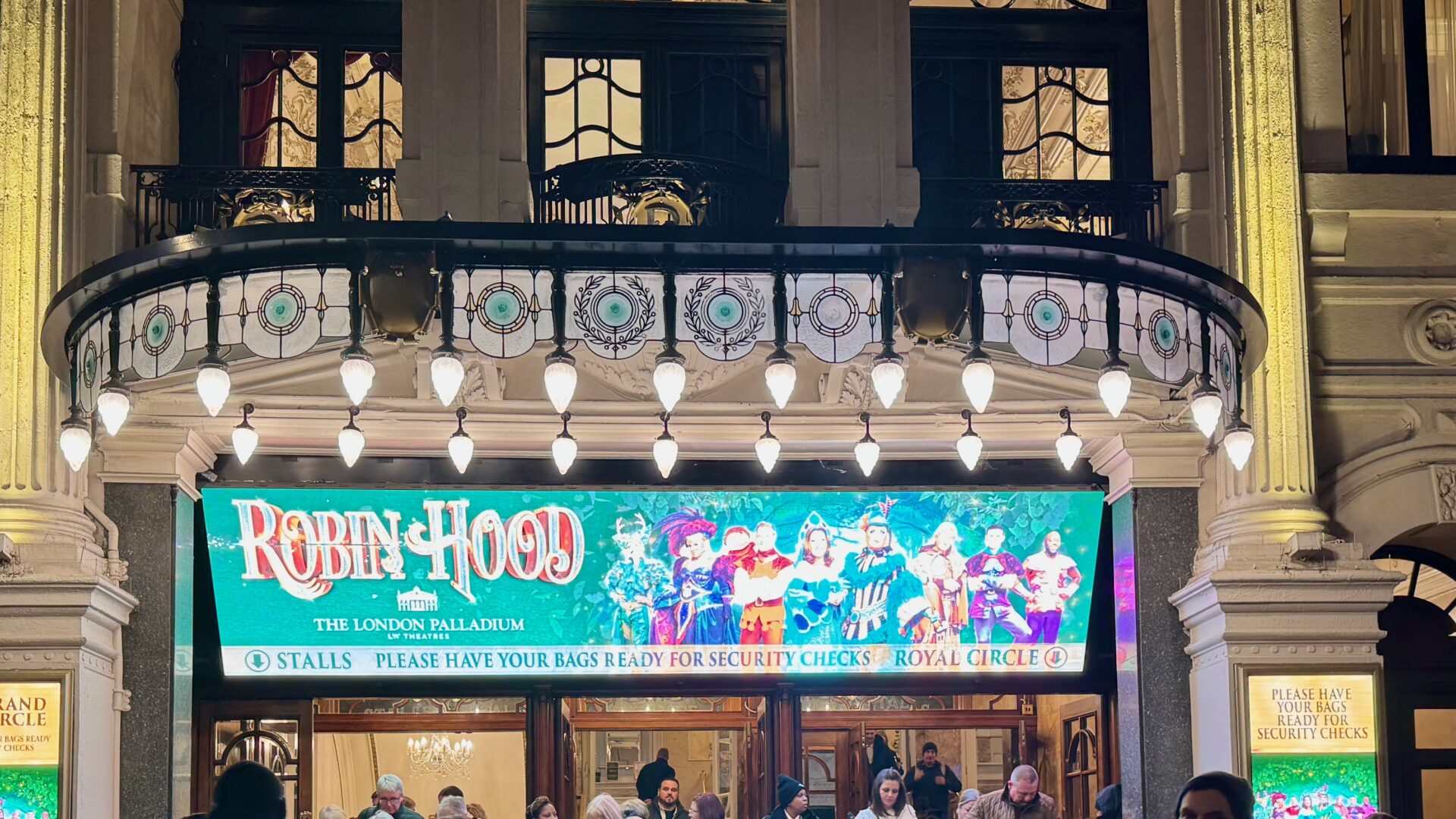
Tuesday, to Robin Hood, this year’s Palladium Pantomime. Julian Clary starred as the titular character, with Jane McDonald as Maid Marian, and a supporting cast of panto regulars. All in all, a spectacle of extravagant costumes, celebrity cameos, and a thin plot. Absolutely brilliant.
Saturday, first delayed train of the year to Birmingham, primarily to see the Ikon Gallery’s partnership with macLYON: Friends in Love and War; works by over twenty artists from the British Council Collection and macLYON that explore the theme of friendship. I’m trying to see more art because I don’t understand it. This was wonderful, but I am sure I didn’t appreciate it properly.
Later, the Cuban afternoon tea was great, but there’d been a mix-up and we’d been booked in when the main service finished. The Sri Lankan dinner was excellent, and we’re on the hunt for a local equivalent.
In between, the City of Birmingham Symphony Orchestra: CBSO Explores: Friends in Love and War, featuring the world premiere of Héloïse Werner’s siren suite for soprano and orchestra. Not the usual type of performance we’d see, but really interesting to experience.
Sunday, to see the National Trust’s Birmingham Back to Backs. It’s the last surviving court of back-to-back houses in the city. The houses, built back-to-back with shared courtyards, offer insights into the lives of ordinary people in the 19th and 20th centuries. A really well-done and recommended tour.
Media
More ‘talking shop’ about radio, as Dermot called it. Paul Gambaccini, broadcasting for 50 years, has a neat story about Sir Elton, also Scott Mills and Rev Kate Bottley. Lovely listening on BBC Sounds.
New Year activities, media, and reflections on personal moments
Week commencing Monday, 30 December 2024
Here comes 2025
Quantified Self
This week: I blame the holidays: Stand 5/7; Exercise 3/7 and Move 3/7. 52%. Office days 0/3. Total steps: 33,288
Life
The last one with a 2024 start date. I am filing it under 2025, regardless.
I worked Monday and Tuesday. Not many people in: quiet. Thursday was busier, but I got away for the first train south of the year.
Tuesday, while in my study, I switched on Radio 2 where it was Sophie Ellis-Bextor’s Kitchen Disco, which seemed a bit too much of a party for me starting at a screen for work. I let it play into Tony Blackburn and then into Bob Harris’ Sounds of the 70s, opening the show with the very sad news that DJ legend Johnnie Walker had died. JW had a remarkable presenting career spanning almost 60 years, from the pirates to today. While not the 70s party playlist scheduled, it was a show full of music and memories and seemed very fitting.
New Year’s Eve was with friends and a lovely evening was had. Somehow, the clock jumped from 1am to 3am remarkably quickly.
Queer (at the BFI) on New Year’s Day. Daniel Craig’s portrayal of a 1950s gay man grappling with loneliness and addiction is really good – different from Bond – but the ending confuses. PY found an explanation.
Friday we had an aborted walk on the Isle of Wight: the narrow country lane we needed to start the journey was busy with cars going too fast.
Sunday, it rained a lot. Just in case parts of Ryde flooded we left a bit earlier than planned.
Media
Radio 2 All Stars: Mark Goodier, Owain Wyn Evans, and Angela Griffin. She still worked in Burger King whilst starring in Coronation Street.
“The left’s greatest sin seems to be, and I speak as a sort of leftist, is that it would rather be right than effective”, Stephen Fry guesting on Triggernometry
As the new year allows these moments of self-reflection, here comes my 2024 Yearnotes: a way to look back and be grateful for the interesting things I was able to do.
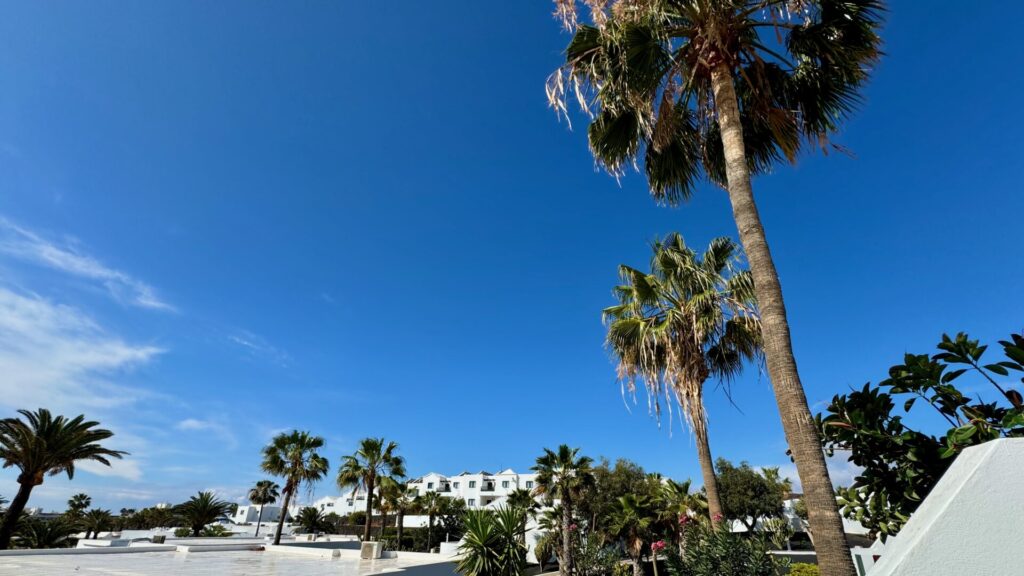
Lanzarote, 2024
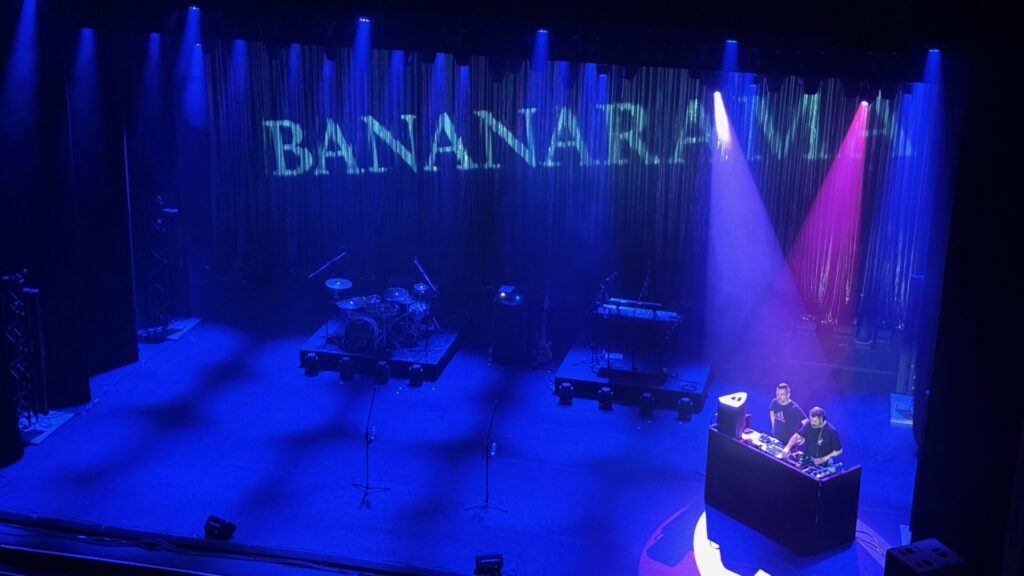
Bananarama, 2024
Starlight, 2024
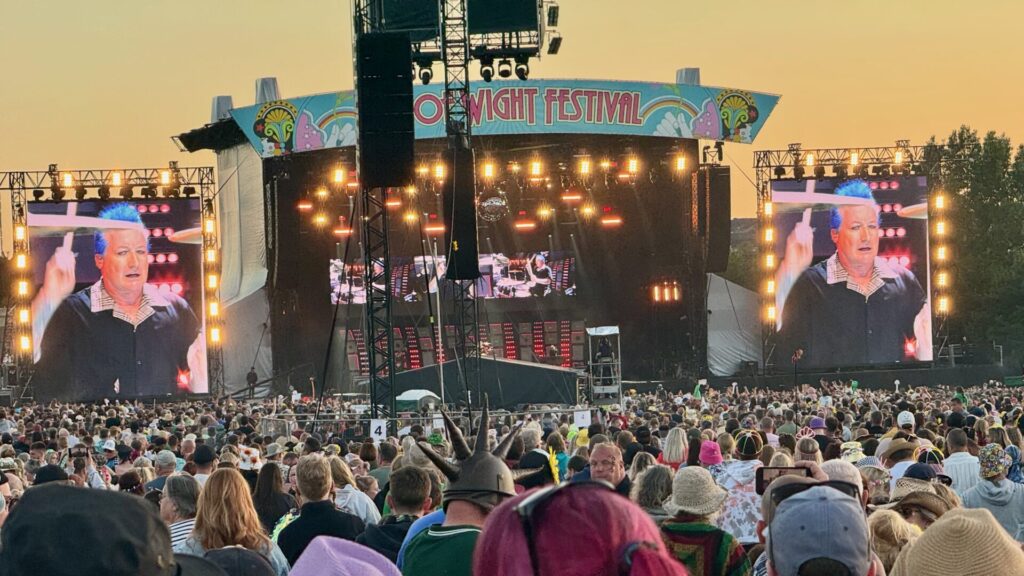
Green Day, 2024
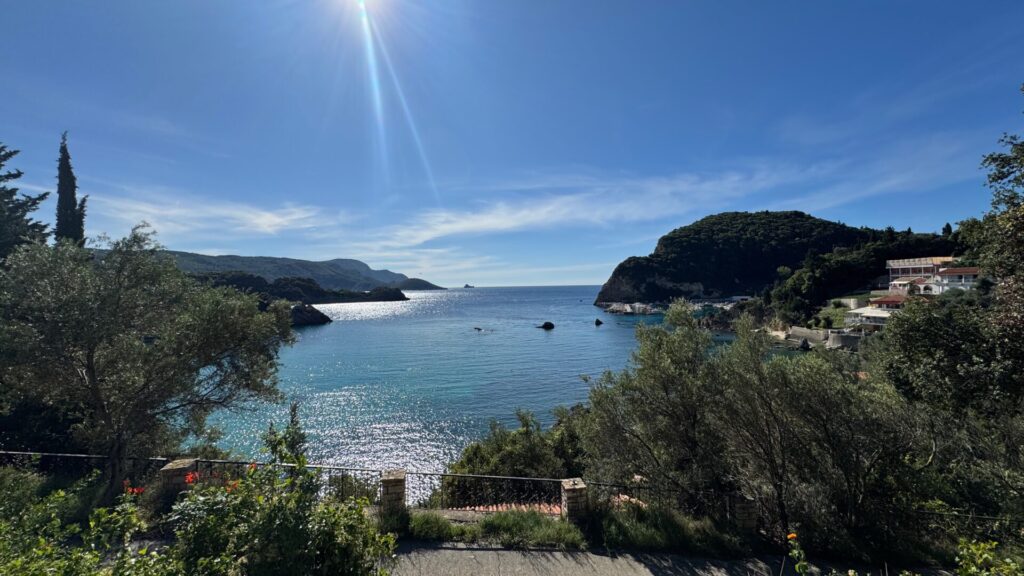
Corfu, 2024
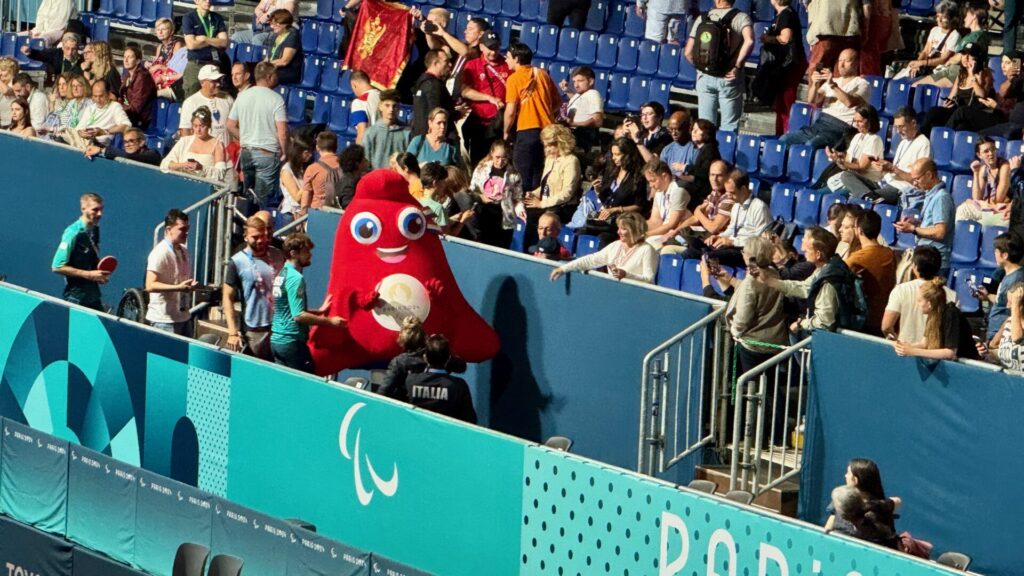
Paralympic Games 2024
I didn’t do my yearly self-review at the end of 2023. I have no recollection why. When I restarted the weeknotes in mid-2023, I allowed myself the flexibility to be late publishing, and I think that enabled me to keep the streak going. I hadn’t considered that one of the consequences would be I’d write something every month of the year in 2024, something that hasn’t happened here since 2005. I think the weekly writing habit was good for me as I wrote a whole bunch of other things alongside the weeknotes. As the new year allows these moments of self-reflection, here comes my 2024 Yearnotes: a way to look back and be grateful for the interesting things I was able to do.
Two of the things I am happiest about this year don’t fit neatly into the categories I use here. I am delighted that we were able to keep our monthly Pub Quiz attendance going; it’s such a nice way to see friends regularly. And, a random comment in the summer led to the discovery of €25 tickets for the Paralympics and a hastily booked train. It was wonderful to immerse myself in some sport for a day. Even the power cut at the hotel the night before our early-start departure couldn’t spoil the joy of the event.
And there was a sixth wedding anniversary, an eightieth birthday celebration, a fiftieth birthday party, and a King’s Garden Party that I haven’t written about but must be highlights.
Moving
At the end of ’23, I started to suffer with a frozen shoulder. It went through its most painful period in the first quarter of 2024. As a result, I didn’t even cross my gym’s doorstep for the first seven months of the year. And then I only went 6 times between then and now. I should insert the usual new year wish to do better. But, who am I kidding?
If I look at the amount of exercise I actually took, irrespective of time in a gym, my trackers say I took 3,131,527 steps for a cumulative distance of 1,407 miles (and burning 268,888 in the process). That’s 12 days and 17 hours of exercise-like exertion.
2022 in music
I try to make Last.fm the source for this data, but Apple Music’s failure to natively sync means I am dubious about the numbers. Last.fm says I scrobbled 5,170 tracks (down 24% on 2023). Of those, there were 3,093 unique tracks compared to the 2,906 songs that Apple says I played. While Last.fm thinks Lainey Wilson’s Wildflowers and Wild Horses was my top track, Apple says it was No Caller ID by Megan Moroney. To be fair, they both have the same count at Last.fm, so I am unsure why one was picked above the other. They’re both great songs.
Last.fm says Breland’s Cross Country was the most listened to album, Apple says that was number 3, while Beyoncé’s Cowboy Carter was top. Are you spotting the trend is country music again?
All of that is somewhere between 12 days and 14 days listening in 2024. I think that was pretty good. I just wish somebody did the same for podcasts.
All the socials
I (still) have a Mastodon account but I have yet to pontificate there. Ditto Bluesky, although I keep promising myself I’ll move to a custom domain.
There were 28 Instagram grid pictures. There were 84 stories. It still remains my favourite format, but that’s a 42% decrease on 2023. There is a highlight selection from 2024 stories. Also, although it’s not social media, it is photos, I posted a collection of pictures from God’s Own Junkyard, the warehouse tribute to neon: All lit up.
There are now 98 feeds in NetNewsWire, notably new in 2024 are London-themed newsletters that I read via RSS. London Centric has just published a ’best of’ and The London Minute is becoming a daily read. London Spy, The Londoner and, nearer home, The Wimble are all worth some time. Given that London’s newspaper, the Evening Standard, had to drop the ‘evening’ portion of its name this year because it’s become weekly, these are more than the name ‘newsletter’ might imply, and are all recommended reading if you live – or are interested in goings-on in – the Capital.
Books, TV and Cinema
I failed my reading challenge, managing only 9 of the promised 15. However, they were all excellent and I don’t know which to call out as my favourite.
I also saw All of Us Strangers, but skipped the cinema to watch it from the comfort of my living room. It takes time to work out the timeline of the characters, but I loved it.
Many of the things I’ve posted about here are tracked in some app or other, or I’ve been able to use my own weeknotes as a reminder. I’ve tried using setlist.fm as a gig tracker. And, while it’s great, there’s no easy way to see 2024, and every artist at a festival is a separate entry, which is fair but, perhaps, does not enable an easy count of gigs. I enjoyed the Isle of Wight festival, Bananarama, Grace Jones, Stevie Nicks and even Bucks Fizz. At the Stevie Nicks gig, I saw Brandi Carlile and am now a fan of the music. In mid-December, I saw both the Lightning Seeds and Paul Heaton; two fantastic evenings.
I’ve not used anything to track theatre shows, so I am reliant on my own notes. Aside from Starlight Express, mentioned below, the best theatre included the immersive Guys and Dolls, Stranger Things: The First Shadow (which can be watched even if you don’t know the Netflix show); new musical Operation Mincemeat (inventive and hilarious) and The National’s Coriolanus was great: I surprised myself following the plot, having never read the play.
I’ve always loved listening to the radio. This year, however, I found more and more podcasts to keep me entertained. My current favourite is the cooking-interview show, Dish, but I caught up on a lot of Kirsty Young’s Young Again, which is also great.
Broadcaster Steve Wright died at the beginning of the year. There were plenty of wonderful tributes, but I particularly liked Steve Wright in his own words.
There were a couple of things that surprised me this year; I tuned into Test Match Special while Mum and Dad were at Lord’s for the first day and really liked the company. Timmy Mallett’s Radio Oxford show from back when John Lennon’s died was a nice bit of retro audio.
James O’Brien’s Full Disclosure is one of my favourite podcasts. It’s hard to pick favourite episodes, but I went back in time to the Andy Burnham episode (which was great). Full Disclosure hired an actor to voice The Secret Barrister, and that was an excellent episode.
Other writing
Possibly inspired by the forced regularity of weeknotes, I found myself posting a lot more to my blog. In On diary writing, I talk about how I want to improve my ability to articulate feelings and emotions in writing, which is a goal for this year. That was a follow-up to something from earlier in the year, My digital history, where I think of my personal website as a historical record of my life.
Another blast from the past was ‘Mine is the last voice you will ever hear’, a bit of a wander down memory lane reminiscing about “Two Tribes” by Frankie Goes to Hollywood and how, when we played the song repeatedly at school, we thought it was a form of rebellion.
I also blogged about a couple of events I’d been to this year: Hidden Holborn was another in the Hidden London series where the public is able to go to areas of the London Underground that are usually off-limits. Once again, I went to the Isle of Wight Festival, this year keeping a record of what I did: day one, day two and day three. And, earlier in the year, I was lucky to get tickets for the first real public performance of the new-look Starlight Express and I wrote up my thoughts.
Other counts
I am always fascinated by the stories people who count things in their lives can tell. There are 2,518 photos in this year’s album, but only 15 made their way to Flickr. Thanks to TFL, I know I made 373 journeys on the London transport network, 30 of them were buses. They didn’t tell me I took 6 flights this year, JetLovers did. And on 1% of my mornings in 2024, I woke up in Edinburgh.